- Main Article: The Conscious Traveler’s Guide: Thailand’s Most Ethical & Luxurious Elephant Sanctuaries
- Related articles:
How can you tell if an elephant sanctuary in Thailand is ethical?
Quick Answer: A truly ethical elephant sanctuary is an 'observation-only' facility where you can watch elephants in their natural habitat from a distance. It will not offer any form of riding, tourist-led bathing, shows, or breeding programs, and will be transparent about each elephant's rescue story.
To identify an ethical elephant sanctuary and avoid exploitative tourist traps, look for these critical red flags and positive signs:
- No Riding: Any form of elephant riding, bareback or with a saddle, causes severe spinal damage and relies on cruel training.
- No Shows or Tricks: Performances like painting or playing soccer are unnatural behaviors taught through fear and intimidation.
- No Forced Bathing: Tourists should not scrub elephants. Ethical venues allow elephants to bathe naturally while visitors observe from a distance.
- No Breeding Programs: Genuine sanctuaries rescue animals from captivity; they do not breed more for tourism.
- No Bullhooks: The presence of a bullhook, even if hidden, indicates a foundation of fear-based control.
- Look for: An observation-only model where elephants have ample space to roam, forage, and socialize naturally.
- Demand: Complete transparency about each elephant's rescue history and long-term care plan.

The allure and the agony: navigating elephant tourism in Thailand
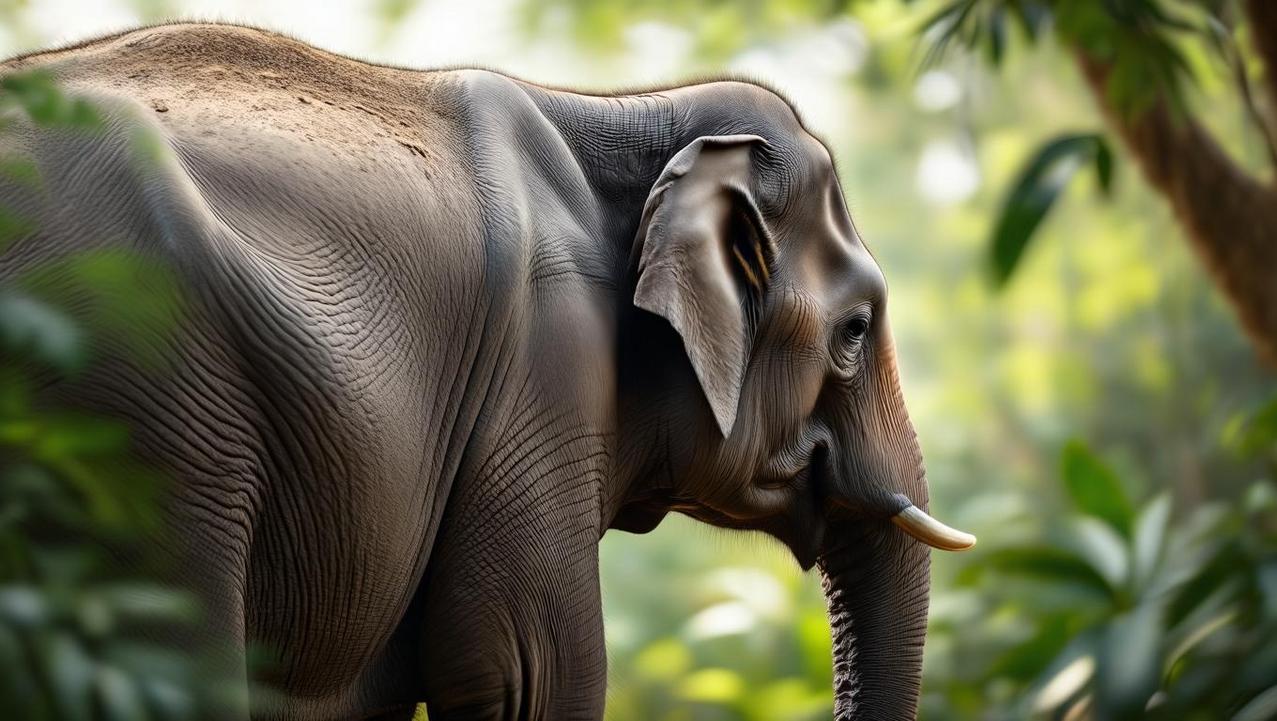
Picture this: you’re planning the trip of a lifetime to Thailand, dreaming of an ethical encounter with these magnificent giants. You imagine feeding an elephant fresh fruit, watching it bathe naturally in a river, perhaps even witnessing the gentle intelligence that makes these creatures so captivating. Yet as you scroll through countless websites promising “authentic sanctuary experiences,” a troubling reality emerges – the landscape is littered with establishments that masterfully disguise exploitation as conservation.
The rise of the ‘pseudo-sanctuary’ represents one of tourism’s most insidious forms of greenwashing. These venues prey on well-intentioned travelers who genuinely care about animal welfare, using carefully crafted marketing language and staged photography to mask what are often nothing more than rebranded elephant camps. Behind the compassionate façade lies the same cycle of cruelty that has plagued elephant tourism for decades.
This comprehensive guide reveals the seven critical red flags that distinguish genuine rescue centers from exploitative tourist traps. Drawing from the rigorous vetting standards we employ at Forbes & Partners when curating ethical wildlife experiences for our discerning clientele, this checklist goes beyond surface-level marketing to examine the fundamental practices that define truly responsible elephant care.
- This article forms part of our comprehensive series on ethical tourism. For our curated list of thoroughly vetted, high-standard sanctuaries, explore our detailed guide to Thailand’s most ethical and luxurious elephant sanctuaries. This knowledge of what to avoid makes that vetted list all the more valuable.
Red flag #1: Any form of elephant riding
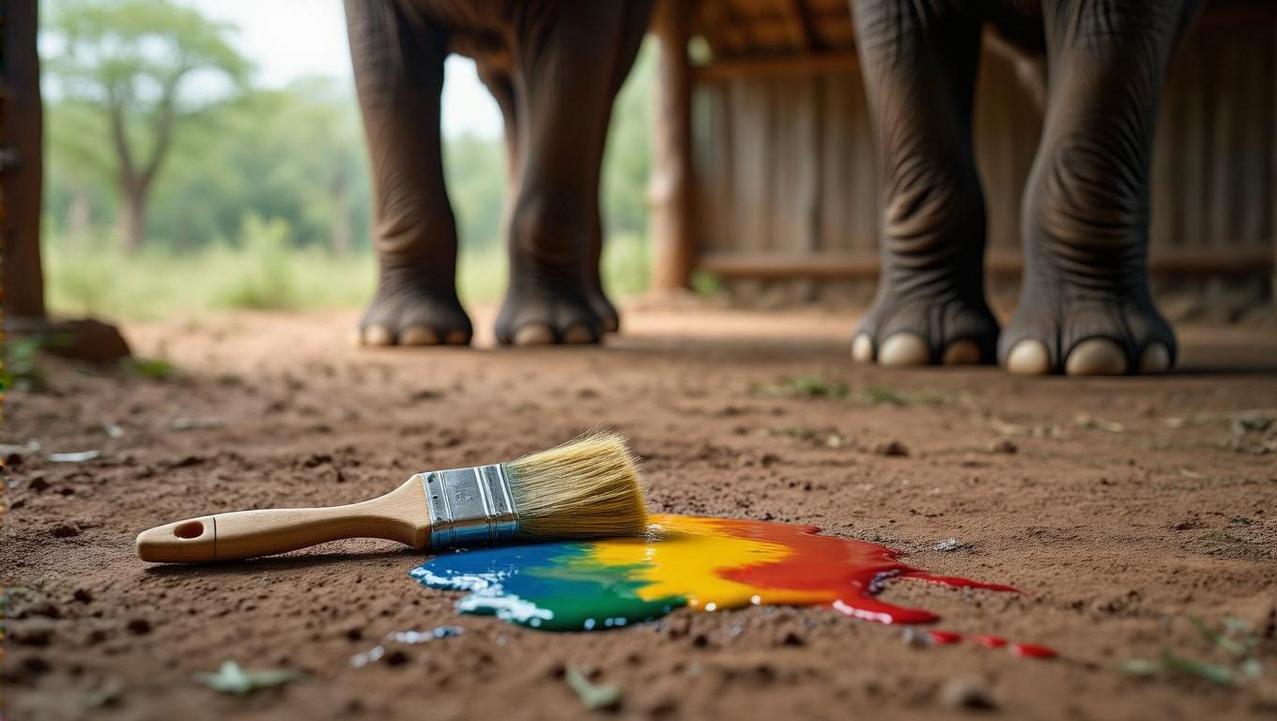
Any sanctuary that offers or depicts elephant riding, with or without a saddle, is unethical – full stop. This seemingly innocent activity represents one of the most damaging practices in elephant tourism, yet it remains disturbingly common across Thailand’s tourist trail.
An elephant’s spine is fundamentally not designed to carry weight. Unlike horses or camels, whose skeletal structure evolved to support riders, elephants’ spines are comprised of upward-pointing vertebrae that create a ridge along their backs. When humans climb aboard, this delicate structure suffers severe, often permanent damage that can lead to chronic pain and mobility issues throughout the animal’s life.
The ability to ride an elephant is only achieved through the brutal ‘phajaan’ or ‘crush’ process, where young elephants are systematically tortured into submission. This traditional ‘training’ method involves separating calves from their mothers, confining them in small cages, and using sharp hooks and other painful instruments to break their spirit entirely. According to the scientific welfare assessment of captive elephants, this psychological trauma creates lasting behavioral abnormalities and chronic stress responses that persist throughout the elephant’s life.
PETA Asia’s research on the cruelty behind elephant entertainment documents how this initial breaking process is so traumatic that elephants never truly recover, living in constant fear of punishment even years after the initial torture. The mahouts who control these animals understand this fear intimately, using it to maintain dominance without needing to repeat the physical abuse in front of tourists.
Even venues that claim to offer “bareback riding” or “natural” elephant experiences are perpetuating this cycle of cruelty. There is no humane way to ride an elephant, regardless of how the practice is marketed or presented.
Red flag #2: Shows, tricks, and paintings
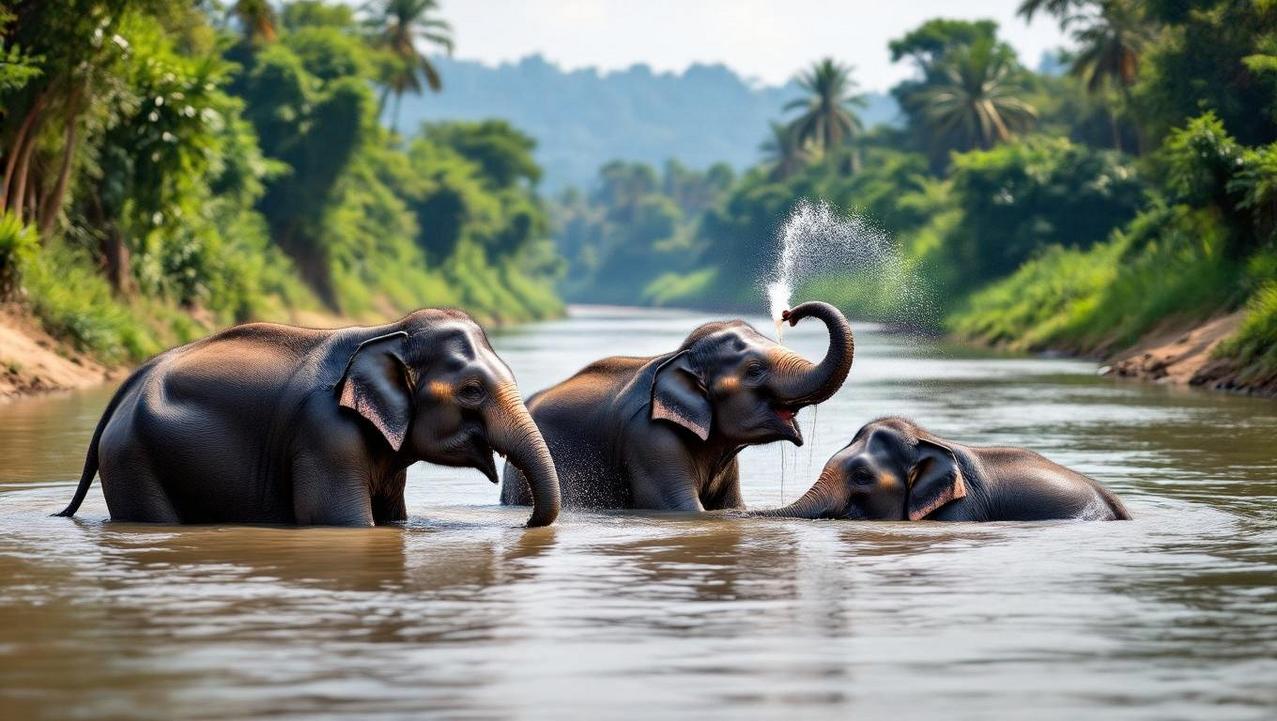
Circuses have no place in legitimate conservation efforts. Any facility where elephants balance on balls, paint pictures with their trunks, play soccer, or perform tricks for applauding crowds is operating as an entertainment venue, not a sanctuary. These unnatural behaviors serve as unmistakable markers of an establishment prioritizing profit over animal welfare.
These performances may appear charming or even impressive to tourists, but they represent the result of fear-based training methods that cause immense psychological distress. Wild elephants do not naturally balance on stools, hold paintbrushes, or kick balls – these behaviors are beaten into them using bullhooks, chains, and other painful conditioning techniques. The stress of performing these unnatural acts in front of loud, cheering crowds compounds the psychological trauma.
The “painting elephant” phenomenon deserves particular scrutiny. While videos of elephants creating artwork often go viral on social media, the reality behind these performances is deeply disturbing. The elephants are guided through each brushstroke by mahouts who use subtle physical cues and the threat of punishment to control every movement. The animals have no understanding of what they’re creating and derive no joy from the activity – it’s purely mechanical conditioning driven by fear.
These entertainment-focused venues deliberately prey on tourists’ desire for unique photo opportunities and Instagram-worthy moments. They understand that many visitors don’t recognize the signs of distress in elephants, allowing them to present psychological trauma as endearing performance. This represents a particularly cynical form of exploitation, as it turns the animals’ suffering into a marketable spectacle.
At Forbes & Partners, the presence of any form of entertainment or performance is a non-negotiable disqualifier in our vetting process for wildlife encounters. Genuine sanctuaries focus on allowing elephants to exhibit natural behaviors in peaceful environments, not training them to amuse human audiences.
Red flag #3: Unrestricted, tourist-led bathing
While it may seem harmless – even beneficial – allowing crowds of tourists to scrub and bathe elephants represents a significant red flag that many well-meaning travelers overlook. This practice directly addresses a common question among ethical travelers: is elephant bathing cruel?
In authentic sanctuaries, elephants are allowed to bathe themselves and play in water naturally, exactly as they would in the wild. These magnificent creatures are perfectly capable of cleaning themselves and find great joy in splashing, rolling, and cooling off in rivers or ponds. Tourists may observe these natural behaviors from a respectful distance, often from elevated viewing platforms that don’t disturb the animals’ routines.
The harmful alternative – forcing elephants to stand still while groups of strangers scrub their skin with brushes – creates multiple welfare concerns. Constant, forced interaction with unfamiliar humans causes significant stress for these sensitive animals. Elephants have complex social structures and emotional needs; being treated as living props for tourist experiences violates their fundamental dignity as wild animals.
According to Responsible Travel’s guide to elephant sanctuaries, this forced interaction model treats elephants as interactive exhibits rather than respected wildlife. The superior alternative is the observation-only model, where visitors can witness authentic elephant behavior without imposing human desires for physical contact.
The bathing issue also raises hygiene concerns for both animals and humans. When multiple tourists handle the same brushes and share close contact with elephants throughout the day, it creates potential disease transmission risks that genuine conservation centers work diligently to avoid.
True elephant sanctuaries understand that the most magical moments come from watching these incredible animals simply being themselves – rolling in mud, splashing in water, or peacefully foraging – without human interference.
Red flag #4: The open or hidden use of bullhooks
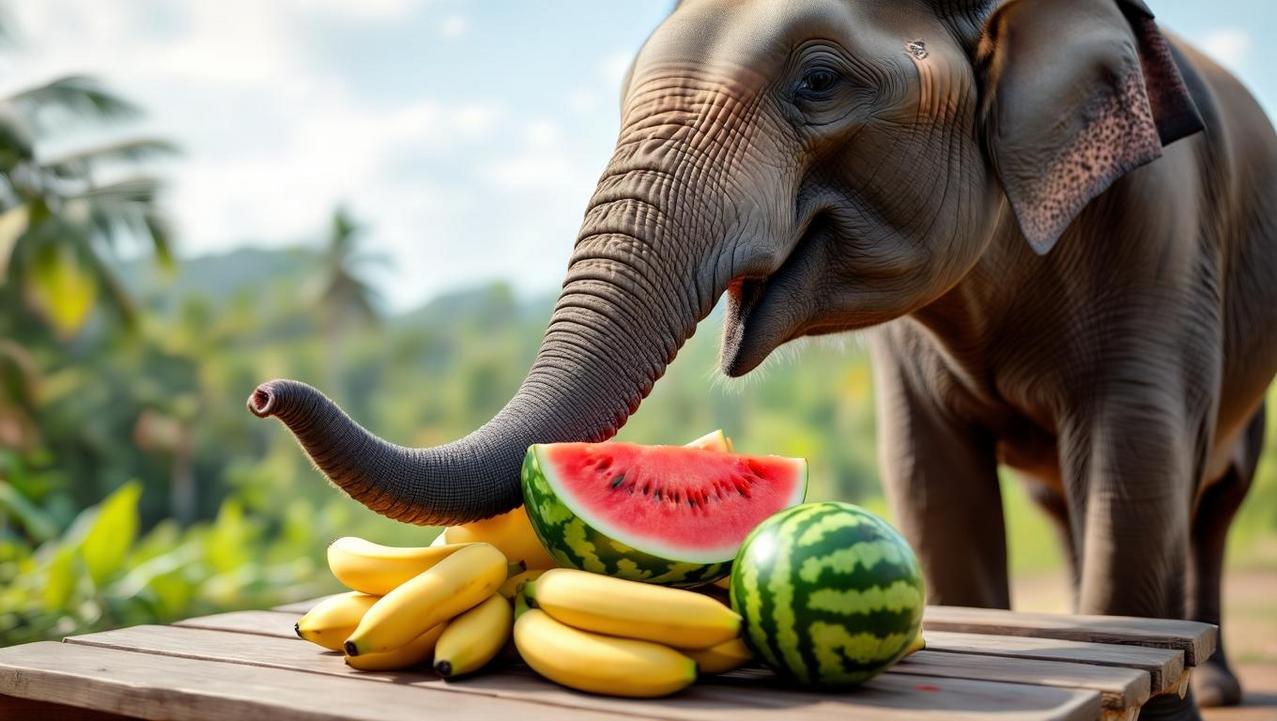
The presence or use of a bullhook – a sharp metal rod with a pointed end designed to inflict pain – represents an undeniable sign of a cruel and unethical operation. Even if these instruments aren’t actively used during tourist visits, their mere presence reveals the foundation of fear upon which the entire operation rests.
Understanding the psychology behind bullhook control is crucial for recognizing this red flag. The sharp metal implement doesn’t need to be constantly applied to maintain its effectiveness. Once an elephant has been subjected to training with bullhooks, the simple sight of the tool or the memory of past pain is sufficient to ensure compliance. This creates a system where elephants live in perpetual fear, even during moments when they appear calm or content to visitors.
Savvy travelers should watch for these tools carried by mahouts or stored nearby, often partially concealed in bags or tucked behind structures. Some facilities may attempt to hide bullhooks during tourist hours while using them during “training” sessions or when moving elephants between enclosures. The presence of these instruments anywhere on the property indicates that the animals’ behavior is controlled through fear and intimidation.
In contrast, genuinely ethical sanctuaries rely exclusively on positive reinforcement techniques and vocal commands. The relationship between elephants and their caretakers in legitimate centers is built on mutual respect and trust, developed over years of patient, consistent care. These facilities often employ mahouts who have been retrained in humane handling methods, abandoning the traditional tools of domination in favor of compassionate management approaches.
The bullhook represents more than just a tool – it symbolizes an entire philosophy of animal control based on causing pain and instilling fear. Its presence anywhere near elephants signals that the facility’s claims about ethical treatment are fundamentally false, regardless of how convincingly they may market themselves as sanctuaries.
Red flag #5: In-house breeding programs
A genuine rescue sanctuary has no legitimate reason to breed more elephants into a life of captivity. Any facility advertising breeding programs, featuring baby elephants as tourist attractions, or promoting mother-and-calf interactions as experiences is operating as a commercial enterprise, not a conservation center.
Breeding programs in tourist-oriented facilities represent a calculated business model designed to produce a constant supply of baby elephants for visitor interactions. Young elephants draw crowds and generate higher profits through photo opportunities and “educational” encounters, but this exploitation perpetuates the cycle of captivity that ethical sanctuaries work to end.
The fundamental goal of a true sanctuary is providing a forever home for elephants rescued from logging operations, street begging, or other forms of abuse. These centers focus their resources on caring for animals that cannot be released into the wild due to their dependence on human care, physical disabilities, or psychological trauma from past abuse. They do not create new generations of captive animals to fuel tourism demand.
The presence of breeding programs also raises serious questions about space, resources, and long-term planning. Authentic sanctuaries operate at or near capacity caring for rescued animals; they lack both the physical space and financial resources to support additional elephants born into captivity. When facilities prioritize breeding over rescue, it reveals their true priorities lie in entertainment value rather than animal welfare.
For insight into the powerful stories of rescued elephants and why rescue should take priority over breeding, explore our detailed coverage of Thailand’s rescued elephant stories, which illustrates the importance of providing sanctuary to animals already suffering in captivity rather than creating more.

On this page: Introduction: behind every gentle giant is a story The silent past: a life before sanctuary Show more The crushing weight of the logging industry The lonely hustle of street begging The hidden trauma of unethical tourism A story of hope: 'Malee's' journey from the city to the canopy Show more From chains […]
Ethical travelers should specifically ask about any young elephants on the property and demand clear information about their origins. Legitimate sanctuaries can provide detailed histories of how each animal came to be in their care, while commercial breeders often provide vague or evasive answers about their animals’ backgrounds.
Red flag #6: Vague answers about an elephant’s origin and future
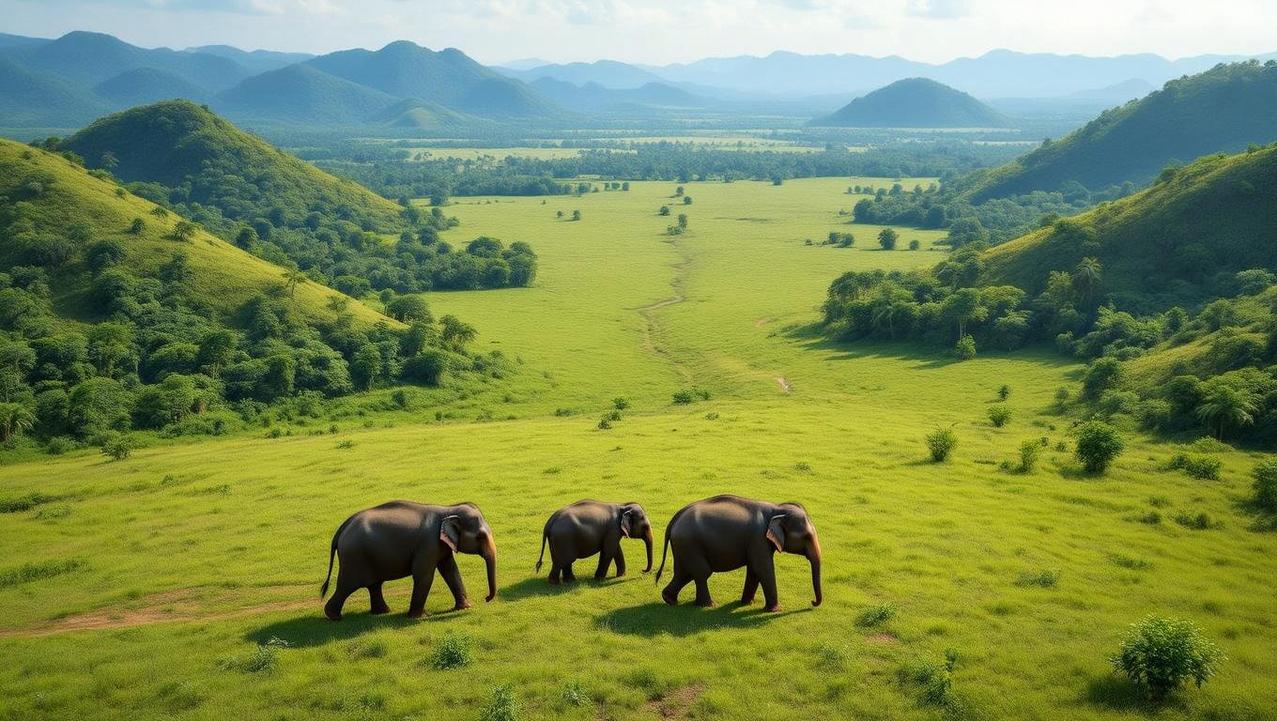
Ethical sanctuaries operate with complete transparency about their animals’ backgrounds, current care, and long-term plans. If a venue cannot or will not provide clear, detailed histories for their elephants, it raises serious red flags about the legitimacy of their rescue claims and the source of their animals.
Responsible travelers should arm themselves with specific questions designed to test a facility’s transparency: “Where did this elephant come from?” “What was its previous situation?” “What type of abuse or exploitation did it suffer?” “Are there any plans or possibilities for eventual release to protected areas?” These questions should receive detailed, often heartbreaking responses from legitimate sanctuaries.
Authentic rescue centers maintain comprehensive records for each animal, including their rescue circumstances, medical history, behavioral characteristics, and specific care requirements. The staff should be able to share these stories readily, as they form the core mission of the organization. Many sanctuaries even provide written profiles or information boards detailing each elephant’s journey to recovery.
Vague answers, deflection, or obvious discomfort when discussing elephant backgrounds strongly suggest the animals may have been illegally captured, traded between facilities, or obtained through other questionable means. Commercial operations often acquire elephants through networks that blur the lines between legal rescue and illegal wildlife trafficking.
The question about future release plans is particularly revealing. While most captive elephants cannot return to the wild due to their dependence on human care, legitimate sanctuaries can articulate clear policies about release possibilities and explain why their specific animals require lifelong care. They discuss conservation partnerships, protected area collaborations, or other initiatives that support wild elephant populations.
At Forbes & Partners, we insist on this level of transparency from any sanctuary we recommend to our clients. This standard is particularly relevant when exploring emerging ethical tourism destinations, including beautiful islands like Koh Samui, where responsible wildlife encounters are becoming an integral part of the luxury travel experience. For travelers seeking authentic conservation experiences on this stunning island, Koh Samui’s luxury villas provide elegant bases for exploring the region’s ethical wildlife opportunities.
Red flag #7: Overcrowding and unnatural social groups
Elephants require vast territories and live within complex, carefully structured social hierarchies. Overcrowding and forced mixing of incompatible animals reveals a facility prioritizing tourist convenience and profit over fundamental animal welfare needs.
Space requirements for elephants are enormous by any standard. These animals naturally roam dozens of miles daily, foraging across diverse landscapes and maintaining extensive social networks. An ethical sanctuary must provide substantial acreage allowing elephants to wander, explore, and exercise their natural behaviors without constant human supervision or interference.
Authentic sanctuaries carefully consider social groupings when housing elephants together. Female elephants naturally live in matriarchal herds with complex relationships spanning generations, while adult males typically maintain more solitary lifestyles with occasional social interactions. Forcing incompatible elephants to share spaces – particularly bull elephants who may become aggressive when confined together – creates stress, competition, and potential danger for all animals involved.
Commercial facilities often ignore these natural social patterns, cramming as many elephants as possible into limited spaces to maximize the number of animals available for tourist interactions. This overcrowding leads to behavioral abnormalities, increased aggression, and psychological distress that manifest in repetitive behaviors, anxiety, and depression.
World Animal Protection’s elephant-friendly tourist guide emphasizes the critical importance of providing elephants with environments where they can exhibit natural behaviors, including adequate space for foraging, socializing, and retreating from stressful situations.
Visitors should observe whether elephants have access to varied terrain, natural vegetation, water sources, and shelter options. Authentic sanctuaries feature expansive properties with diverse habitats that encourage natural behaviors like mud wallowing, tree rubbing, and extended foraging activities. The animals should appear relaxed and engaged with their environment rather than listless or focused solely on human interactions.
The ethical traveler’s checklist
- NO Riding, Tricks, or Shows
- NO Forced Bathing or Touching
- NO Bullhooks or Breeding
- LOOK FOR Observation-Only Models
- DEMAND Transparency & Space
- REMEMBER Your choice directly impacts animal welfare
Frequently asked questions about ethical elephant tourism
How can you tell if an elephant sanctuary is ethical?
You can tell if a sanctuary is ethical by looking for an ‘observation-only’ model where there is no riding, bathing with, or touching the elephants, and the facility has clear information on where the rescued elephants came from.
Why is bathing elephants unethical?
Bathing elephants is often unethical because it forces them into unnatural, close contact with large groups of strangers for entertainment, causing stress and treating them as props rather than wild animals.
Is it ever ethical to ride an elephant?
No, it is never ethical to ride an elephant. Their spines are not built to support human weight, and the practice is only made possible through a cruel training process known as ‘phajaan’.
What is the dark side of elephant tourism?
The dark side of elephant tourism is the hidden cruelty used to make elephants submissive for tourist activities, including torture during the ‘phajaan’ training process, physical harm from riding, and the psychological stress of forced interactions.
Is it OK to touch elephants in a sanctuary?
While the general rule is to avoid touching elephants, some ethical sanctuaries may permit respectful and limited interaction under the close supervision of their guides. These moments are always initiated by the animals and overseen by staff to ensure the elephants’ comfort and safety. The main focus remains on observing these magnificent creatures in a way that respects their natural behaviors and autonomy.
Your choice matters: be a part of the solution
Every tourism dollar represents a vote for the kind of elephant treatment you want to support. By recognizing these seven critical red flags, conscientious travelers can defund operations that profit from animal suffering while supporting genuine conservation efforts that prioritize elephant welfare above entertainment value.
The most magical elephant encounters come not from riding, touching, or photographing staged interactions, but from witnessing these magnificent creatures living peacefully in respectful environments. Watching an elephant family naturally socializing, a matriarch leading her herd to water, or individuals expressing their unique personalities through play and exploration creates memories far more meaningful than any manufactured tourist experience.
Your choice to seek out truly ethical sanctuaries sends a powerful message to the tourism industry about what modern travelers value. Each decision to avoid facilities with red flags helps shift market demand away from exploitation and toward genuine conservation, creating economic incentives for more operators to adopt ethical practices.
Travel with complete peace of mind knowing your wildlife encounters align with your values. While Forbes & Partners provides the villa for your stay, our trusted partners will craft a bespoke Thai itinerary that includes only the most thoroughly vetted, genuinely ethical wildlife experiences available. Contact us to start planning your responsible journey and ensure every aspect of your Thai adventure supports the causes you care about most deeply.

Forbes & Partners Editorial Team
The Forbes & Partners Editorial Team specializes in creating expert-driven insights on luxury villas, property investment, and vacation rentals in Thailand. Each article blends the efficiency of AI-assisted writing with the precision and experience of human specialists in Thailand’s luxury real estate market, ensuring readers receive reliable, up-to-date, and high-value information to guide their next investment or stay.