- Main Article: The Emerald Heart of Phuket: A Luxury Traveler’s Guide to Khao Phra Thaeo’s Virgin Rainforest
- Related articles:
Is the Gibbon Rehabilitation Project in Phuket ethical?
Quick Answer: Yes, the Gibbon Rehabilitation Project in Phuket is a highly ethical wildlife sanctuary. It operates on a strict no-contact, observation-only policy focused on rescuing, rehabilitating, and releasing gibbons back into the wild. The project's mission is to combat the illegal pet trade, not to provide tourist entertainment.
The Gibbon Rehabilitation Project (GRP) in Phuket is a leading ethical wildlife sanctuary with a critical conservation mission. Here’s what you need to know:
- The Mission: The GRP rescues white-handed gibbons from the illegal pet trade and tourism industry, rehabilitates them, and works to release them back into the protected forest of Khao Phra Thaeo National Park.
- Ethical Visits: This is a strict no-contact sanctuary. Visits are for observation and education only; you cannot touch, hold, or directly interact with the gibbons, ensuring their welfare and wild nature are respected.
- Location: The project is situated inside Khao Phra Thaeo National Park near Bang Pae Waterfall, offering a chance to explore Phuket’s last remaining virgin rainforest.
- How to Support: Your support, through donations and responsible visits, directly funds the 'Rescue-Rehabilitate-Release' model, helping return gibbons to the wild.

The haunting song of the gibbon: An introduction

In the pale light of dawn, before the tourist buses rumble down the mountain roads and the humid air thickens with the day’s heat, there is a sound that cuts through the verdant stillness of Khao Phra Thaeo’s ancient canopy. It’s a call that seems to rise from the very soul of the rainforest—melodic, haunting, and utterly wild. This is the song of the white-handed gibbon, a sound once as common as the monsoon rains but now as fragile and precious as the last virgin rainforest on Phuket itself.
For those of us who’ve spent time in these places, who’ve felt the weight of conservation in our bones, this sound carries more than beauty—it carries urgency. The gibbon’s call is both a celebration of survival and a lament for what’s been lost. It’s the voice of a species clinging to existence, the focal point of one of Thailand’s most important conservation stories, and the reason thousands of ethically-minded travelers make the pilgrimage to this corner of paradise each year.
As travelers, we find ourselves caught in an eternal dilemma: the magnetic pull to witness wildlife in its natural habitat, weighed against the gnawing fear that our presence might somehow contribute to its destruction. We’ve all seen the Instagram photos—the baby elephants forced to paint, the tigers drugged into submission for selfies, the primates dressed in human clothes for tourist entertainment. These images leave a bitter taste, a reminder that our wanderlust can sometimes fuel the very systems we despise.
But here, tucked away in the emerald heart of Phuket’s last remaining rainforest, lies something different. The Gibbon Rehabilitation Project stands as proof that tourism and true conservation can not only coexist—they can strengthen each other. This is your definitive guide to visiting this remarkable sanctuary, where every entrance fee becomes medicine for a rescued gibbon, and every mindful observation contributes to their eventual freedom.
For those seeking a complete exploration of this extraordinary protected area, I encourage you to dive into our comprehensive resource: The Emerald Heart of Phuket: A Luxury Traveler’s Guide to Khao Phra Thaeo’s Virgin Rainforest. This detailed guide will provide you with everything you need to know about navigating the park’s trails, discovering its hidden waterfalls, and understanding its role as Phuket’s last bastion of pristine wilderness.

On this page: Beyond the beaches: discovering Phuket's untouched soul The significance of Phuket's last virgin rainforest Show more More than just a park: a living museum The feel of ancient nature: a sensory immersion A sanctuary for the discerning traveler The ethical heart of the jungle: the gibbon rehabilitation project Show more The story […]
The crisis behind the cause: Why gibbons need saving
To understand the profound importance of the Gibbon Rehabilitation Project, you must first confront the brutal reality that necessitates its existence. This isn’t just another feel-good conservation story—it’s a frontline response to one of Southeast Asia’s most heartbreaking wildlife crises, where the very traits that make gibbons enchanting to tourists have made them targets for exploitation.
The heartbreaking truth of the tourist photo prop
Picture this scene, one that plays out across Thailand’s tourist centers with devastating regularity: a baby gibbon, no larger than a human infant, dressed in colorful clothing and chained to a post on a busy street. Tourists gather around, phones in hand, eager for that perfect selfie with an exotic animal. What most don’t realize—what the handlers will never tell them—is the unspeakable violence that brought this moment into being.
For every baby gibbon used as a photo prop, an entire family has been destroyed. Gibbons are fiercely protective parents who live in tight-knit family units high in the forest canopy. To capture a baby alive, poachers must first kill its mother, and often its father and siblings who will fight to the death defending their young. The mathematics of this trade are as simple as they are horrifying: one tourist photo equals one murdered gibbon family.
The tragedy doesn’t end with capture. These highly intelligent, social creatures are subjected to lives of unimaginable psychological torture—separated from their kind, forced into unnatural behaviors, and condemned to a existence that bears no resemblance to their wild heritage. Organizations like TRAFFIC, the global authority on combating the illegal wildlife trade, have documented how this seemingly innocent tourist activity fuels an industry that has decimated gibbon populations across Southeast Asia.
An endangered song: The gibbon’s status in the wild
The white-handed gibbon, known scientifically as Hylobates lar, carries the sobering designation of “Endangered” on the IUCN Red List of Threatened Species. This classification isn’t handed out lightly—it indicates a species facing a very high risk of extinction in the wild, with populations that have declined dramatically in recent decades.
In Phuket specifically, the threats are twofold and equally devastating. The illegal pet trade continues to snatch individuals from the wild, while rapid development has destroyed vast swaths of their natural habitat. Where once continuous forest corridors allowed gibbon families to swing freely between territories, now there are shopping centers, hotels, and housing developments. Khao Phra Thaeo National Park represents their final sanctuary on the island—a 22-square-kilometer fragment of what was once an endless tropical wilderness.
The gibbon’s remarkable vocalizations, those haunting calls that can carry for miles through the forest, serve a critical purpose in their natural behavior. Mated pairs perform complex duets to defend their territory and strengthen their bond, while families use calls to maintain contact across the dense canopy. But in the fragmented forests of modern Phuket, these songs increasingly echo unanswered, a testament to populations stretched thin across isolated patches of green.
Green flags vs. red flags: How to identify a true sanctuary
For the conscious traveler, distinguishing between genuine conservation efforts and cleverly disguised exploitation has become an essential skill. The difference often lies not in marketing materials or visitor reviews, but in fundamental operational principles that reflect an organization’s true priorities.
Red flags that signal exploitation:
- Opportunities for direct contact, touching, or “interaction” with animals
- Shows, performances, or animals trained to do tricks
- Breeding programs focused on maintaining captive populations
- Photo opportunities with baby animals or animals in costumes
- Claims about “domesticated” or “orphaned” animals that need human care
Green flags that indicate authentic conservation:
- Strict observation-only policies with barriers between visitors and animals
- Educational focus on species biology, threats, and conservation challenges
- Transparent rescue and rehabilitation mission with clear release goals
- No breeding programs—only caring for animals that cannot be returned to wild
- Detailed explanations of why animals cannot be touched or handled
The Gibbon Rehabilitation Project exemplifies these green flags in every aspect of its operation. Here, you won’t find performing animals or photo opportunities—you’ll find a sobering education in conservation realities and the profound satisfaction of supporting genuine rehabilitation work. As conscious travelers and advocates for responsible tourism, this distinction matters more than any individual travel experience.
The sanctuary solution: A portrait of the Gibbon Rehabilitation Project
In the tapestry of conservation stories across Southeast Asia, few threads shine as brightly as the narrative of hope, healing, and redemption woven by the Gibbon Rehabilitation Project. This is not merely a sanctuary—it’s a testament to human capacity for correcting our mistakes, a place where the soundtrack of tragedy slowly transforms into songs of freedom.
From tragedy to hope: The birth of the project
The year was 1992, and Phuket’s transformation from sleepy fishing villages to international tourist destination was accelerating at breakneck speed. Along the island’s beaches and in its burgeoning entertainment districts, a disturbing trend had taken hold: baby gibbons, torn from their forest homes, were becoming increasingly common props in the tourism trade. Local wildlife advocates watched in horror as these intelligent primates suffered in plain sight, their plight normalized by an industry that prioritized profit over compassion.
It was against this backdrop that the Gibbon Rehabilitation Project emerged, founded as a collaboration with the Wild Animal Rescue Foundation of Thailand (WARF). The project’s founders understood a fundamental truth that still guides their work today: rescue without rehabilitation is merely prolonged captivity, and rehabilitation without the ultimate goal of release back to the wild is conservation theater, not conservation action.
The project’s establishment represented more than just another wildlife sanctuary—it was a declaration that Phuket’s last wild spaces would serve as more than tourist backdrops. Khao Phra Thaeo would become a second-chance sanctuary, where the victims of human cruelty could begin the long journey back to wildness, and where visitors could witness conservation not as a concept, but as a daily practice requiring patience, expertise, and unwavering commitment.
The ‘rescue-rehabilitate-release’ mission explained
At its core, the Gibbon Rehabilitation Project operates on a deceptively simple three-phase mission that represents one of conservation’s most challenging undertakings: transforming traumatized, human-dependent primates back into wild animals capable of surviving in their natural habitat.
The rescue phase begins when authorities confiscate gibbons from illegal situations—street photographers, private collectors, or entertainment venues. These animals arrive at the project bearing both visible and invisible scars: malnutrition, physical injuries, and profound psychological trauma from lives lived in captivity. Many have never seen another gibbon, never swung through trees, never heard the wild calls of their own species.
Rehabilitation represents the project’s most complex and time-intensive work. Each gibbon undergoes a carefully structured program designed to rebuild both physical capabilities and natural behaviors. They must learn—or relearn—how to navigate through trees, how to find and process wild foods, how to communicate with others of their kind, and how to exist without human intervention. This process can take years and requires specialized facilities, expert veterinary care, and enormous patience from dedicated staff.
The ultimate goal—release back into the protected forests of Khao Phra Thaeo—represents success in its purest form, but it’s a goal that many rescued gibbons will never achieve. Some have been too deeply affected by their captivity to safely return to the wild. Others lack the physical capabilities necessary for survival in the canopy. For these individuals, the project provides permanent sanctuary, ensuring they live out their days in dignity and comfort while serving as ambassadors for their species.
For those eager to understand the full scope of this remarkable work, the Gibbon Rehabilitation Project’s official site provides comprehensive details about their methodology, success stories, and ongoing challenges. Their transparency about both victories and limitations reflects the scientific rigor that underlies every aspect of their conservation approach.
This mission—rescue, rehabilitate, release—may sound straightforward, but it represents one of conservation’s most difficult endeavors: undoing the damage of human interference and giving wild animals a second chance at the lives they were meant to live.
A guide to visiting with purpose: Your experience at the GRP
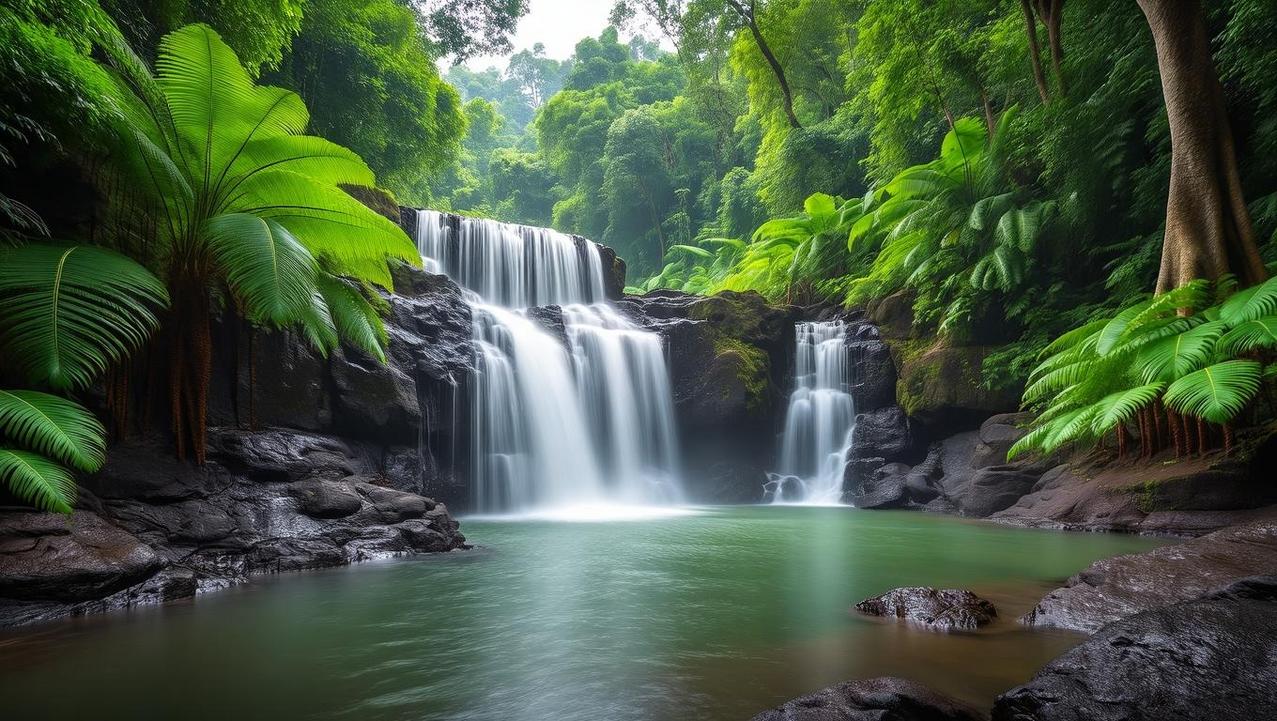
Walking through the entrance gates of the Gibbon Rehabilitation Project feels like crossing a threshold between two worlds. Behind you lies the noise and bustle of modern Phuket—scooters honking their way up mountain roads, tour buses disgorging visitors at waterfalls, the constant hum of development. Ahead lies something altogether different: a space where the rhythms of healing and hope take precedence over entertainment and easy answers.
What to expect on your visit: A narrative walkthrough
Your journey begins at the project’s modest entrance, where weathered wooden signs provide your first lesson in the reality of conservation work. There are no flashy displays or carnival-like attractions here—just the understated professionalism of people doing difficult, important work. The humidity hits you immediately, that thick, green-scented air that tells you you’re in true rainforest territory, where every breath carries the essence of life in endless abundance.
The pathway leads you through carefully maintained grounds where information boards tell stories that Disney would never dare to touch—tales of individual gibbons, their rescue circumstances, their rehabilitation journeys, and their ultimate fates. Some stories end in triumph, with successful releases back to the wild. Others end in the quiet dignity of permanent sanctuary care. All of them end in truth, the kind of truth that makes your chest tighten and your perspective shift.
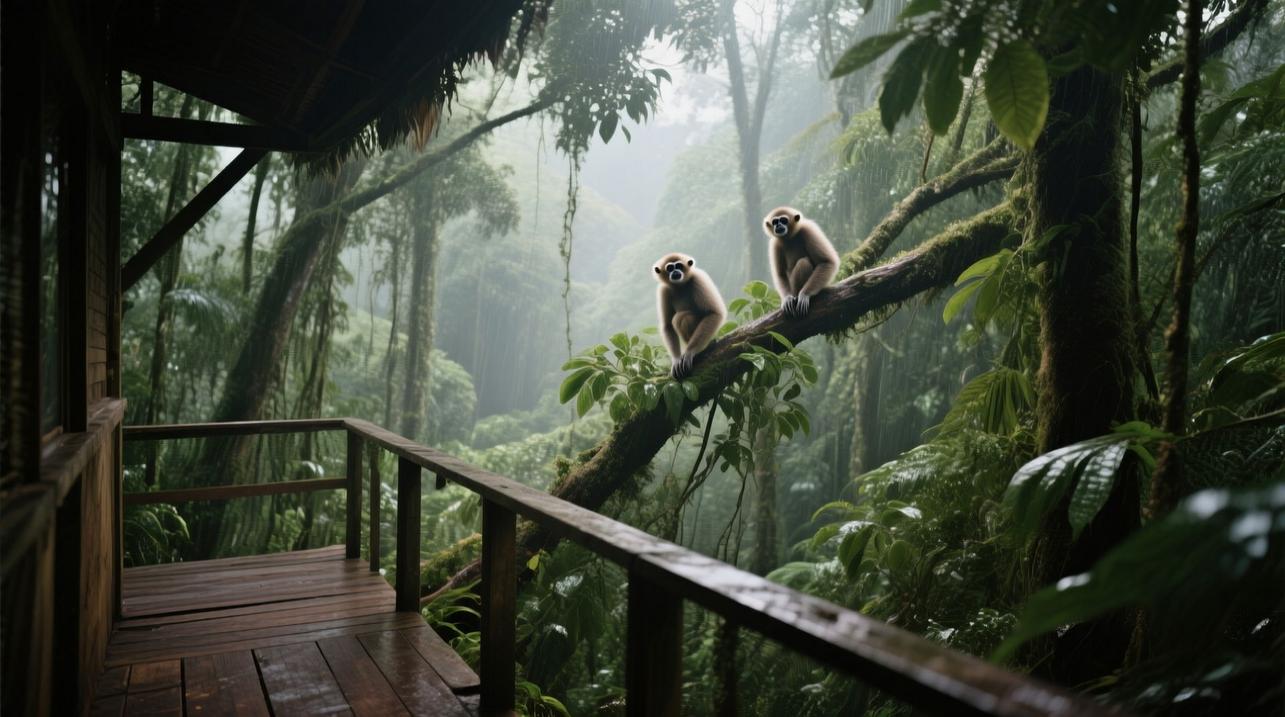
The viewing platform represents the project’s philosophical heart—a elevated walkway that allows you to observe the gibbons in their spacious enclosures while maintaining the crucial separation that defines ethical wildlife interaction. From here, you watch these remarkable creatures navigate their semi-wild environments, swinging through constructed canopies that simulate their natural habitat. The sounds that reach you—the soft whoops of communication, the rustle of leaves, the occasional territorial call—create a soundtrack that speaks to something primal in human consciousness.
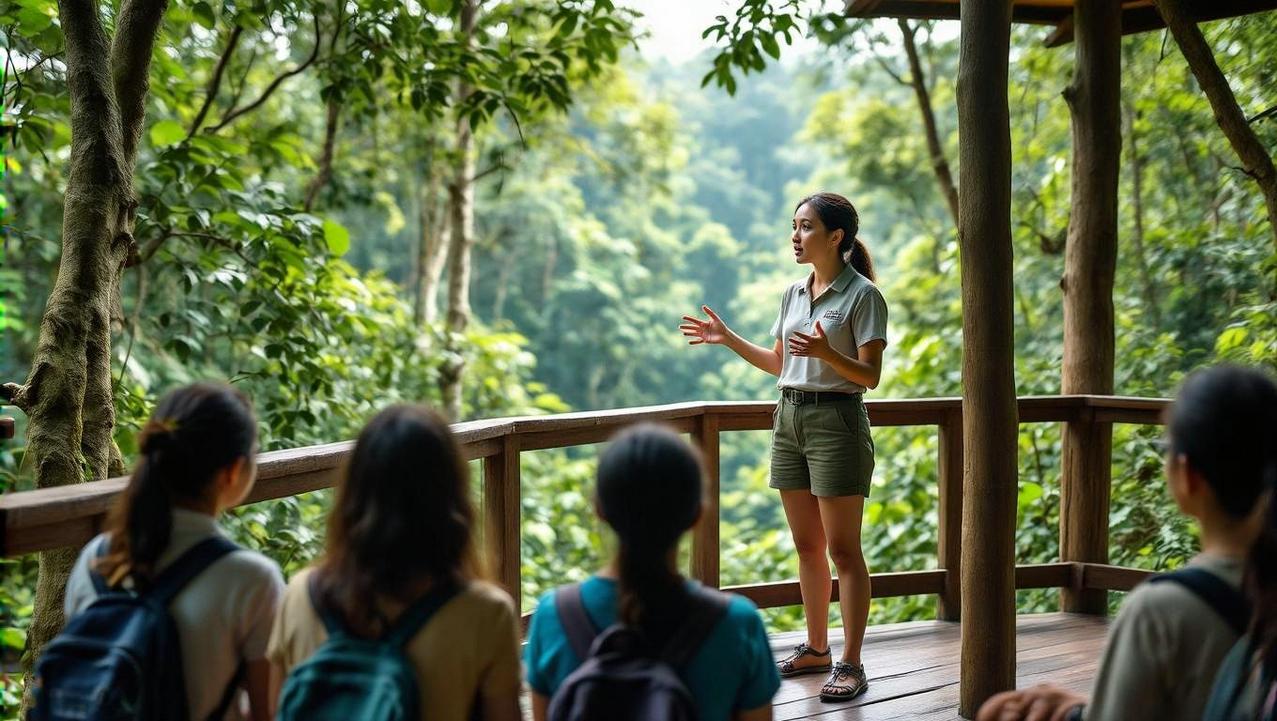
Your guide, likely a passionate volunteer who chose to spend their time here rather than on Phuket’s beaches, will share stories that bring each individual gibbon into sharp focus. They’ll point out behavioral adaptations, explain medical histories, and describe the complex process of preparing animals for potential release. Their voices carry the kind of authority that comes not from textbooks, but from daily intimate contact with conservation reality.
The air itself tells a story here—heavy with moisture and green with life, punctuated by the calls of hornbills and the distant crash of waterfalls. You’re experiencing the sensory environment that these gibbons are slowly remembering, the world they’re fighting to rejoin.
Visitor etiquette: The do’s and don’ts for a respectful visit
The rules here aren’t arbitrary restrictions designed to limit your experience—they’re the fundamental protocols that determine whether these gibbons have any chance of returning to the wild. Every guideline serves a purpose that extends far beyond your visit, reaching toward the ultimate goal of gibbon freedom.
Essential do’s for respectful visitors:
- Listen intently to your guides, whose knowledge comes from years of hands-on experience
- Maintain the designated distances, understanding that barriers protect the animals’ psychological well-being
- Keep voices low and movements calm, recognizing that these are recovering trauma victims
- Photograph respectfully without flash, which can cause stress and behavioral disruption
- Ask thoughtful questions that demonstrate your genuine interest in conservation
Critical don’ts that protect rehabilitation efforts:
- Never attempt to feed the animals, which can disrupt carefully planned diets and health monitoring
- Avoid touching or reaching toward gibbons, as human contact undermines their wild instincts
- Don’t make loud noises or sudden movements that could trigger stress responses
- Never cross designated barriers, which exist to protect both visitors and animals
- Resist the urge to seek “interaction,” understanding that distance equals respect
These protocols exist because rehabilitation depends on helping gibbons remember their wild nature, not adapt further to human presence. Every respectful visit reinforces their natural behaviors, while every violation of etiquette pushes them further from their ultimate freedom. The project’s success literally depends on visitors understanding that the best wildlife experience is one where animals remain completely wild.
How your visit and donations make a direct impact
Behind every successful wildlife rehabilitation project lies a complex web of funding, and the Gibbon Rehabilitation Project operates with the kind of transparency that allows visitors to see exactly how their support translates into tangible outcomes. This isn’t a case of donations disappearing into administrative overhead—this is conservation funding at its most direct and effective.
Your national park entrance fee provides immediate support for the project’s operational costs, but the real impact comes through additional contributions that fund specific aspects of gibbon care. A single day’s food for one gibbon costs approximately what many visitors spend on a beachside lunch. A month’s veterinary care equals the price of a mid-range hotel room. These numbers aren’t meant to shame anyone’s spending priorities—they’re meant to illustrate how relatively small contributions can create outsized conservation impact.
The project offers several meaningful ways to extend your support beyond a single visit. Direct donations fund everything from specialized veterinary equipment to the construction of new enclosures that more accurately simulate wild conditions. The “adopt a gibbon” program allows you to support a specific individual’s care while receiving updates on their rehabilitation progress. Even purchasing project merchandise provides ongoing funding while serving as conversation starters that spread conservation awareness.
Perhaps most importantly, your visit itself becomes part of the project’s sustainability model. Every entrance fee, every donation, every social media post sharing the project’s mission contributes to a funding ecosystem that keeps this work viable. In a world where conservation projects struggle constantly for resources, your conscious choice to support ethical wildlife encounters sends a powerful market signal that responsible tourism has genuine value.
The connection between your support and actual outcomes couldn’t be more direct: your contribution today might fund the medical care that allows a rescued gibbon to heal from injuries, the behavioral enrichment that helps them remember their wild instincts, or the enclosure modifications that prepare them for eventual release. In the most literal sense possible, your visit helps write the next chapter in each gibbon’s journey toward freedom.
Beyond the gibbons: Exploring the wider ecosystem of Khao Phra Thaeo
The Gibbon Rehabilitation Project exists within something larger and more magnificent than any single conservation story—it sits at the heart of Khao Phra Thaeo National Park, Phuket’s last fragment of virgin rainforest and a living museum of biodiversity that predates human civilization on the island. Your visit to support gibbon rehabilitation can become the cornerstone of a full day immersed in one of Southeast Asia’s most ecologically significant protected areas.
The jungle’s other inhabitants: Flora and fauna highlights
Step beyond the rehabilitation enclosures and you enter an ecosystem that reads like a field guide to tropical biodiversity. The same forest corridors that the project hopes to eventually repopulate with rehabilitated gibbons currently shelter an extraordinary array of wildlife that most visitors to Phuket never know exists.
In the early morning hours, if you move quietly along the park’s trails, you might glimpse the elusive flying lemur—despite its name, not a lemur at all, but a unique gliding mammal that navigates the canopy with wing-like membranes stretched between its limbs. These nocturnal creatures spend their days clinging motionless to tree trunks, their mottled fur providing perfect camouflage against the bark.
The understory reveals smaller treasures: mouse deer, delicate creatures no larger than house cats, pick their way through the forest floor on legs as thin as pencils. Above, the canopy erupts with birdlife—hornbills with their distinctive casqued bills calling raucously from the treetops, while jewel-toned sunbirds flash through shafts of filtered sunlight.
But perhaps the park’s most remarkable resident isn’t an animal at all. Hidden in the forest’s depths grows one of the world’s rarest palms, the Langkow Palm (Kerriodoxa elegans), a species so uncommon that botanists thought it extinct until small populations were rediscovered in places like Khao Phra Thaeo. These ancient palms, with their distinctive fan-shaped leaves, represent living links to prehistoric Thailand, survivors of ice ages and geological upheavals that have shaped this landscape for millions of years.
This biodiversity context transforms your gibbon visit from an isolated wildlife encounter into something richer: a window into an entire ecosystem’s struggle for survival in an increasingly developed world. The gibbons aren’t just individual animals seeking rehabilitation—they’re ambassadors for a whole community of species that depend on preserving places like this.
Chasing waterfalls: A trek to Bang Pae and Ton Sai
The Gibbon Rehabilitation Project sits strategically at the entrance to Bang Pae Waterfall, positioning it perfectly as either the beginning or culmination of a day spent exploring the park’s aquatic treasures. This placement isn’t coincidental—it reflects the project’s integration into the broader conservation ecosystem of Khao Phra Thaeo, where gibbon rehabilitation becomes part of a larger story about protecting Thailand’s natural heritage.
Bang Pae Waterfall itself offers the perfect complement to your wildlife encounter—a chance to experience the forest from a different perspective, where the focus shifts from individual animal stories to the broader environmental systems that sustain all life here. The trail to the falls winds through primary rainforest, past centuries-old trees and through groves of bamboo that creak and whisper in the humid air.
During the wet season, Bang Pae transforms into a thundering cascade that can be heard from kilometers away, its mist creating microclimates that support specialized plant communities found nowhere else on the island. In the drier months, the falls become more intimate, revealing the geological foundations that have shaped this landscape—ancient granite formations that tell the story of Phuket’s origins as part of a vast mountain range that once connected Southeast Asia.
For those inspired to explore these aquatic wonders in greater detail, our comprehensive guide Phuket’s Jungle Trails: A Hiker’s Guide to Khao Phra Thaeo’s Waterfalls provides detailed trail maps, seasonal timing recommendations, and insider tips for making the most of your rainforest adventure.

On this page: A tale of two waterfalls: Ton Sai vs. Bang Pae Show more Ton Sai: the accessible starting point Bang Pae: the rewarding finish line At a glance: which waterfall is right for you? The main event: the waterfall trail breakdown Show more Trail distance, difficulty, and time The guide vs. go-it-alone debate […]
The beauty of combining gibbon rehabilitation with waterfall exploration lies in the way these experiences reinforce each other. Walking through the forest that the project hopes to repopulate with rehabilitated gibbons gives you visceral understanding of what’s at stake in conservation work. Seeing the complexity and beauty of intact rainforest ecosystem makes the individual stories of rescued animals resonate on a deeper level, connecting personal empathy with broader environmental understanding.
Key takeaways for the ethical traveler
- Never pay for photos with wild animals: Every tourist selfie with a baby gibbon represents the destruction of an entire gibbon family and fuels one of Southeast Asia’s cruelest wildlife trades
- Support genuine sanctuaries focused on rehabilitation: The Gibbon Rehabilitation Project exemplifies true conservation with its strict no-contact policy and transparent rescue-rehabilitate-release mission
- Respect the no-contact policy completely: Physical separation from humans is essential for giving rehabilitated gibbons any chance of returning to wild behaviors and eventual freedom
- Understand that your visit creates direct conservation impact: Every entrance fee and donation funds medical care, specialized diets, and facility improvements that directly support gibbon rehabilitation efforts
- Choose observation over interaction: The most ethical wildlife experiences prioritize animal welfare over human entertainment, offering education and inspiration rather than physical contact
Frequently asked questions
Is the Gibbon Rehabilitation Project in Phuket ethical?
Yes, the Gibbon Rehabilitation Project is widely regarded as one of Phuket’s most ethical animal sanctuaries. Its core mission focuses entirely on the rescue, rehabilitation, and release of gibbons, with a strict no-contact policy for tourists that prioritizes animal welfare over visitor entertainment. The project operates transparently about its methods and challenges, works in collaboration with recognized wildlife organizations, and maintains facilities designed to help animals return to wild behaviors rather than adapt further to human presence.
Can you touch the gibbons at the sanctuary?
No, you absolutely cannot touch the gibbons. The project enforces a strict hands-off policy because physical contact with humans prevents the gibbons from being successfully rehabilitated and released back into the wild. Contact with visitors also poses serious health risks to both animals and humans, as it can spread diseases in both directions. The entire rehabilitation process depends on helping gibbons remember their wild instincts and reduce their dependence on human interaction.
What is the story behind the project?
The project was started in 1992 to care for gibbons rescued from the illegal pet trade, where they were often used as props for tourist photos. Founded in collaboration with the Wild Animal Rescue Foundation of Thailand (WARF), the project emerged as a response to the widespread use of baby gibbons in Phuket’s tourism industry. Its goal is to rehabilitate these traumatized animals and reintroduce them to their natural habitat in Khao Phra Thaeo National Park, which represents their last remaining forest home in Phuket.
How much is the entry fee for the Gibbon Rehabilitation Project?
There is no separate entry fee for the Gibbon Rehabilitation Project itself, but it is located inside Khao Phra Thaeo National Park, which requires an entrance fee (typically 200 THB for foreign adults, subject to change). The project operates primarily through donations from visitors rather than admission charges. While the national park fee provides some operational support, the project greatly appreciates and depends on direct donations to fund specialized veterinary care, facility improvements, and the long-term rehabilitation programs.
What is the difference between a gibbon and a monkey?
Gibbons are apes, not monkeys, with the key distinction being that they do not have tails. Gibbons are also characterized by their extraordinarily long arms, which they use to swing through trees in a form of locomotion called brachiation, and their complex, song-like vocalizations that can carry for miles through the forest. Unlike monkeys, gibbons form monogamous pair bonds and live in small family groups, with mated pairs performing elaborate vocal duets to defend their territory and strengthen their relationships.
Conclusion: Your choice echoes through the forest
As the day wanes and the humid air begins to cool in Khao Phra Thaeo’s ancient canopy, the gibbon calls take on a different quality—softer, more intimate, like conversations between family members settling in for the night. Standing on the viewing platform at the rehabilitation project, listening to these rescued primates practice the vocalizations that might one day help them reclaim their place in the wild, you realize that every choice you’ve made as a traveler has led to this moment of profound connection.
The mathematics of conservation are unforgiving: every dollar spent on exploitative wildlife shows strengthens the economic incentives that drive the illegal pet trade, while every contribution to genuine rehabilitation efforts like this one helps tip the balance toward recovery and hope. Your decision to seek out ethical encounters over easy entertainment, to choose education over exploitation, ripples outward in ways that extend far beyond your individual experience.
The gibbons here—whether they’re permanent sanctuary residents or candidates for eventual release—serve as living ambassadors for a larger truth about our relationship with the natural world. Their stories, marked by trauma and healing, loss and hope, mirror the broader conservation challenges facing Southeast Asia. But they also demonstrate something more powerful: that human beings, the same species capable of such devastating destruction, also possess the capacity for healing, for making amends, for choosing a different path forward.
Thailand offers incredible opportunities for travelers seeking authentic connections with nature while supporting genuine conservation efforts. From the rainforests of Phuket to the marine sanctuaries surrounding Koh Samui, the kingdom provides endless possibilities for meaningful encounters that benefit both travelers and the environments they visit. The luxury villas available throughout these regions offer the perfect private sanctuaries for processing these powerful experiences, spaces where you can reflect on the day’s encounters while planning your next conservation-focused adventure.
The haunting song of the gibbon that first drew you into this forest will stay with you long after you’ve returned to your villa, long after you’ve left Thailand, long after this trip has become a memory. But more than just a beautiful sound to remember, it represents something profound: the possibility that tourism, done thoughtfully and ethically, can become a force for healing rather than harm. In choosing to support the Gibbon Rehabilitation Project, you ensure that this ancient song continues to echo through Phuket’s forests—not as a memory of what was lost, but as a promise of what might yet be saved.
Support meaningful conservation during your stay in Thailand’s most spectacular natural settings. The experiences you choose and the places you support during your visit can create lasting positive impact for wildlife rehabilitation and forest conservation efforts. Ask your villa concierge how to seamlessly integrate a donation or visit to the Gibbon Rehabilitation Project into your itinerary, ensuring your luxury holiday contributes to the protection of Phuket’s last remaining wilderness.
For those inspired by Phuket’s extraordinary natural beauty and considering a more permanent connection to this tropical paradise, explore our portfolio of Phuket Luxury Villas For Sale. Owning property here means becoming a stakeholder in the island’s future, with the opportunity to support conservation efforts for years to come.

Forbes & Partners Editorial Team
The Forbes & Partners Editorial Team specializes in creating expert-driven insights on luxury villas, property investment, and vacation rentals in Thailand. Each article blends the efficiency of AI-assisted writing with the precision and experience of human specialists in Thailand’s luxury real estate market, ensuring readers receive reliable, up-to-date, and high-value information to guide their next investment or stay.