- Main Article: Luxury Villas Thailand: What Defines High-Standing, Luxury, and Ultra-Luxury
- Related articles:
- The Foundation of Prestige: How to Evaluate a Luxury Villa’s Location in Thailand
- Peace and Perspective: Why View & Privacy Are Non-Negotiable in a Luxury Villa
- The Language of Luxury: Decoding Architectural Design & Materials in Thai Villas
- More Than Square Feet: How to Assess the Spatial Experience of a Luxury Villa
- Perfection in the Details: Judging a Luxury Villa’s Condition and Finishes (current article)
- Beyond the Infinity Pool: Ranking The Must-Have Facilities in a Luxury Thai Villa
- The Invisible Standard: A Guide to Personalized Services in a Luxury Villa
- The Soul of a Villa: Why Staff and Service Define the Luxury Experience
- The ‘Unforgettable’ Factor: What Makes a Luxury Villa Truly Rare and Unique
- Orchestrating Emotion: The Elements of an Unforgettable Luxury Guest Experience
- Decoding Excellence: How to Rate and Classify a Luxury Villa Yourself
How do you judge the true quality of a luxury villa's construction and finishes?
Quick Answer: Judge a luxury villa's quality by inspecting its material authenticity, craftsmanship, and 'invisible' systems. Look beyond surface beauty by assessing the precision of joints and seams, feeling the weight and solidity of hardware, and testing the silent, efficient operation of HVAC and plumbing. These details reveal true construction quality and meticulous maintenance.
To evaluate the true condition and quality of a luxury villa, focus on these key indicators:
- Use all your senses: True quality is felt in the solid weight of a handle, heard in the silent operation of a door, and seen in the flawless texture of a wall.
- Look for perfect lines: Meticulous craftsmanship is revealed in seamless joints, consistent grout lines, and crisp, sharp paint edges where surfaces meet.
- Distinguish patina from damage: High-end materials like solid wood and bronze age gracefully with a rich patina, while lower-quality materials simply show wear, scratches, and deterioration.
- Test the invisible systems: A villa’s real comfort comes from its silent and efficient HVAC, strong and consistent water pressure, and reliable, intuitive smart home technology.
- Identify red flags: Seemingly minor flaws like misaligned switches, sloppy caulking, or creaking floors often point to a broader lack of care and deeper construction issues.

The difference between luxury and true, enduring luxury isn’t always in the grand architectural statement or the infinity pool that kisses the horizon. It’s often quieter. It’s in the silent, satisfying click of a well-engineered door latch, the seamless meeting of a marble floor and a teak wall, the invisible hum of a perfectly balanced climate. Like tasting a dish where every ingredient has been considered, where every technique has been mastered, a truly luxurious villa reveals its quality not through spectacle, but through the accumulation of countless small perfections.
This article moves beyond the glossy photos and the feature list. It’s about training your eye, and your other senses, to spot the subtle but critical signs of impeccable quality, meticulous maintenance, and enduring value. In my years of exploring kitchens where the difference between good and extraordinary lay in the details—the precise knife work, the perfect seasoning, the understanding that excellence is a habit, not an accident—I’ve learned that the same principles apply to luxury real estate.
This focus on a villa’s physical integrity is a cornerstone of a property’s standing. It is one of the ten pillars in the comprehensive framework we use to classify properties, detailed in our definitive guide to define High-Standing, Luxury, and Ultra-Luxury.
Here, we’ll arm you with the same rigorous methodology our experts use, turning you from an admirer of property into a connoisseur of its quality. Because in the end, like any great experience worth savoring, the devil—and the divine—is in the details.
The connoisseur’s eye: Evaluating material authenticity and quality

“Luxury whispers in tolerances most eyes never see.”
From the ground up: Identifying premium natural materials
Walking into a truly luxurious villa should feel like encountering something authentic and substantial—not unlike the difference between a perfectly aged piece of Parmigiano-Reggiano and its processed imitation. True luxury materials not only look better but are chosen for longevity, especially in a tropical climate where nature tests everything with relentless humidity, salt air, and intense sun. The ability to differentiate authentic, high-end materials from convincing substitutes is your first line of defense against overpaying for surface glamour.
Natural stone reveals its authenticity through its imperfections. Real marble and granite possess unique, non-repeating veins—nature’s fingerprint that cannot be replicated in engineered composites. Run your hand across the surface; genuine stone maintains a coolness to the touch even in warm tropical climates, a tell-tale sign compared to the warmer feel of engineered materials. In the luxury villas of Koh Samui, where ocean breezes carry salt that can age materials prematurely, this natural resilience becomes even more valuable.
“The feel of authentic materials is something you learn to recognize—it’s the difference between substance and suggestion,” explains a Forbes & Partners property specialist who has evaluated hundreds of luxury properties across Thailand.
Solid wood tells its own story through grain patterns that wrap seamlessly around corners and edges. In Thailand’s luxury market, locally-suited woods like teak and ironwood are prized not just for their beauty, but for their ability to age gracefully rather than deteriorate. Teak outdoor decking and salas in Koh Samui’s coastal environment develop a distinguished silver patina over time, while inferior materials simply show damage. Look for grain that flows naturally around corners—laminate and veneer betrays itself at the edges where the pattern ends abruptly.
The touch of quality: Fixtures, fittings, and hardware
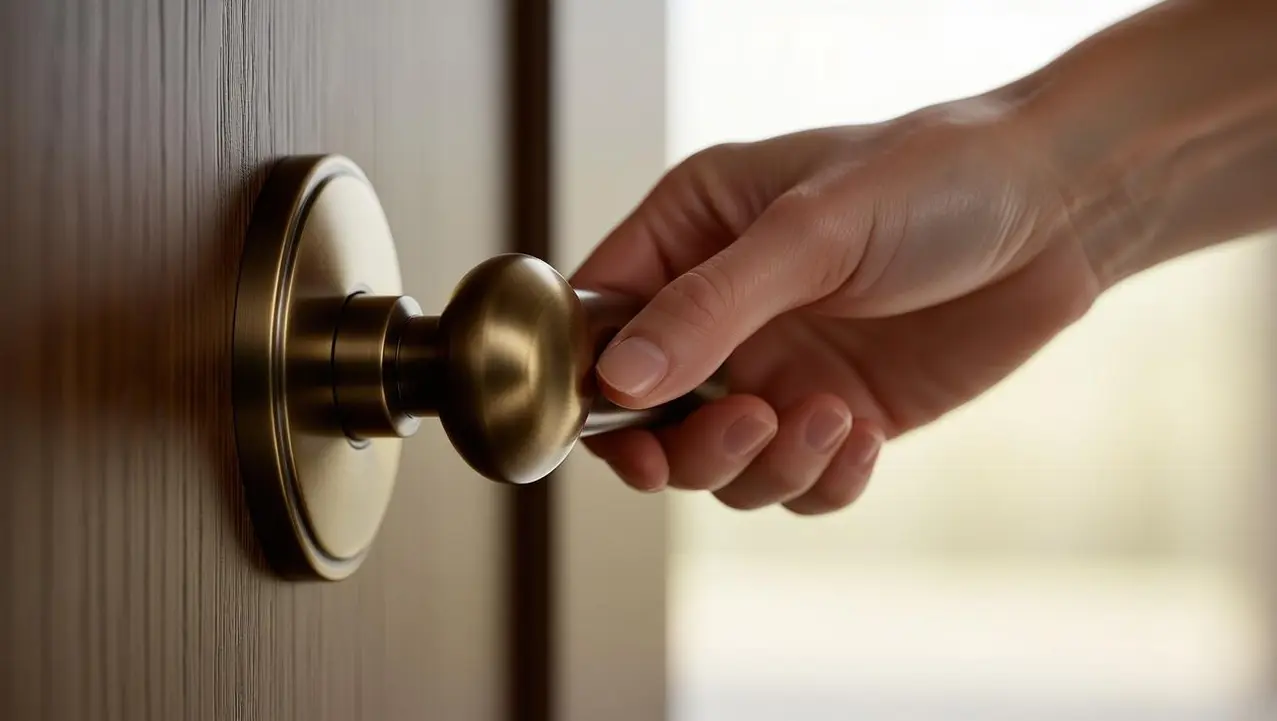
The ‘heavy hand’ test is one of the first things our inspectors do when evaluating a luxury villa’s finishes quality. A luxury villa’s quality is literally something you can feel. Flimsy faucets, hollow-feeling door handles, or lightweight cabinet pulls are immediate red flags that suggest corners were cut during construction or renovation.
High-end brands like Villeroy & Boch and Hansgrohe for sanitaryware, or Blum and Grass for drawer runners, are chosen not just for their aesthetics but for their engineering. The result is hardware that operates with a silent, smooth glide and provides a solid, substantial feel in your hand. When you turn a quality faucet handle, there’s a deliberate resistance, a sense of precision machinery rather than loose mechanics.
Encourage yourself to interact with the property during your inspection: open a drawer and feel how it glides; turn door handles and note their weight and operation; close cabinet doors and listen for the soft, controlled closure of quality hinges. It should feel solid, engineered, and satisfying—like handling a well-crafted tool rather than a disposable implement.
“If it feels flimsy in your hand, it will feel flimsy in your stay.”
The art of the invisible: Mastering craftsmanship inspection
In search of the perfect line: Assessing joints, seams, and paint
True craftsmanship in luxury villa finishes reveals itself in the details that most people never notice—until they’re missing. This is where we move beyond the obvious beauty shots into the realm of precision and technique, where master craftspeople leave their signatures in hairline joints and flawless surfaces.
Focus your attention on mitered joints in trim and cabinetry, where two pieces of material meet at precise angles. These joints should be hairline and perfectly aligned, with no gaps, overlaps, or visible adhesive. Similarly, grout lines in tilework should be consistently sized and level, whether on a floor backsplash or shower wall. Inconsistent grout width or crooked lines indicate rushed workmanship that will age poorly.
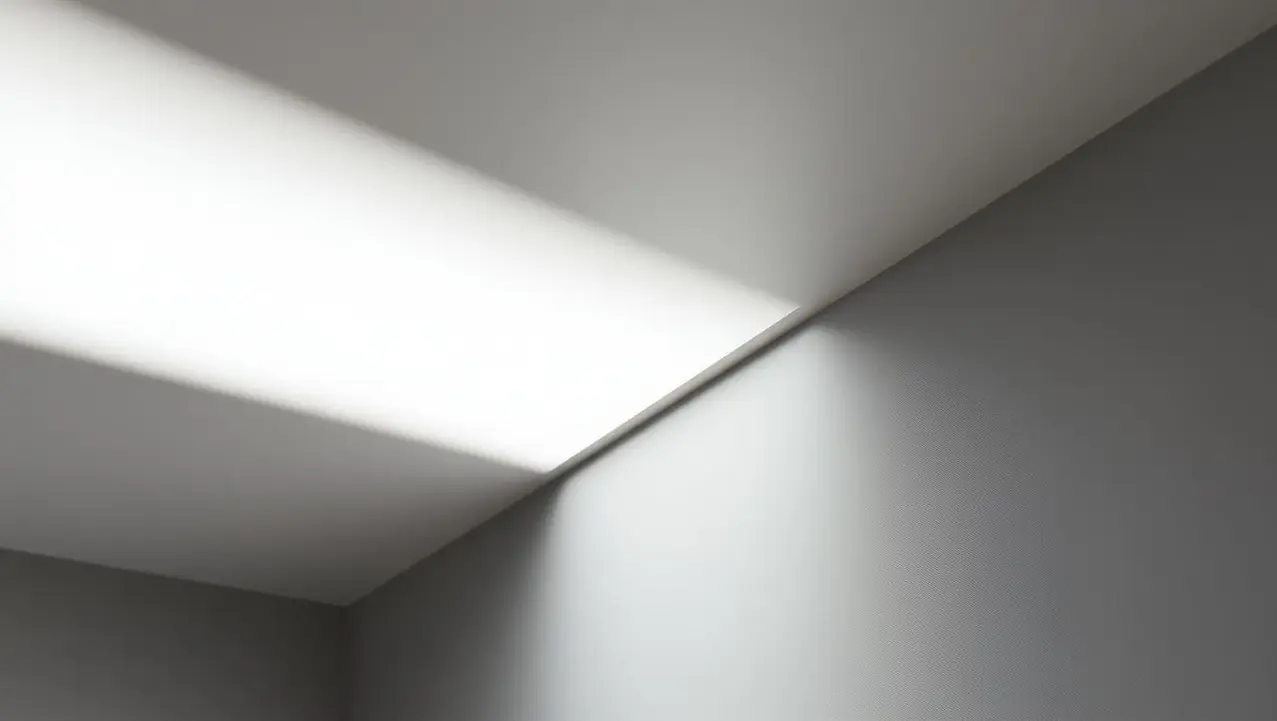
Paint and wall finishes demand a different kind of scrutiny. Look at walls from a sharp angle against a light source—this harsh perspective reveals imperfections that straight-on viewing masks. A top-tier paint job appears flawless from this unforgiving angle, with crisp, sharp lines at ceilings and corners, no drips, brush marks, or uneven textures. The surface should be uniformly smooth, like silk stretched over perfectly prepared substrate.
We walked the villa at 4 p.m., the harshest light for finishes. At a shallow angle, the walls stayed silent — no roller marks, no waves in the substrate. Cabinet miters met like folded paper; the door clicked shut with a soft, engineered certainty. In the kitchen, drawers glided and stopped on their own; in the bathroom, two showers ran at once and the pressure held. By the terrace, the teak had gone silver without splintering. Nothing shouted; everything aligned. That’s when you realise luxury isn’t the photograph — it’s the way a hundred tiny decisions hold together under scrutiny. If details survive the worst light, they’ll carry the best memories.
The story in the surfaces: Looking for signs of wear and graceful aging
There’s a crucial distinction between patina and damage that separates luxury materials from their cheaper counterparts. High-quality materials like bronze, leather, and solid wood develop a rich patina that tells a story of use and age—a depth and character that adds rather than detracts from their beauty. Lower-quality materials simply show damage: scratches, stains, and deterioration that diminish their appearance and value.
Create a mental checklist of places to examine for signs of poor upkeep: scuff marks on walls in high-traffic areas, especially around door frames and light switches; scratches on flooring from furniture movement; water stains under sinks, around window sills, or anywhere moisture might penetrate. These signs indicate either inadequate maintenance protocols or materials that cannot withstand normal use.
Connect this observation to the broader rental experience that defines luxury vacation properties. A villa that is meticulously maintained between guests demonstrates a commitment to providing a flawless guest experience—a standard that distinguishes high standing, Luxury or Ultra Luxury properties. This attention to detail directly impacts both the immediate rental experience and long-term investment value.
Beyond what you can see: Assessing ‘invisible’ systems and longevity
The hum of efficiency: HVAC, plumbing, and electrical health
The true luxury of a tropical villa lies in its ability to provide silent, effortless comfort. The ‘invisible’ systems—HVAC, plumbing, and electrical—are what transform a beautiful structure into a livable sanctuary. Like the kitchen brigade that works unseen to create a flawless dining experience, these systems must perform their roles perfectly while remaining virtually unnoticed.
A high-end HVAC system, such as a Daikin VRV (Variable Refrigerant Volume) unit, should maintain consistent temperature throughout the villa without being drafty or noisy. Stand quietly in different rooms and listen—you should hear almost nothing. A struggling or aging air conditioning system announces itself through noise, uneven cooling, or the constant cycling on and off that indicates inefficiency.
“The mark of a luxury property is when the guest never thinks about the mechanics—the temperature is perfect, the water pressure is strong, and everything simply works,” explains a Forbes & Partners technical specialist who oversees villa maintenance standards.
Test the plumbing by running multiple showers simultaneously and checking for strong, consistent water pressure throughout. Turn on taps and listen carefully for gurgling sounds that might indicate drainage issues, or hammering noises that suggest pipe problems. These acoustic clues often reveal issues that won’t be apparent in a casual walkthrough.
Subtle signs of water damage require particular attention in tropical climates: musty smells in closets or storage areas, slight discoloration at the base of walls, or warping of wood elements in bathroom vanities. These issues, if left unaddressed, can escalate into major structural problems that affect both habitability and property value.
Smart comfort, not soulless tech: Evaluating home automation
The measure of a luxury smart home system is not the number of gadgets it contains, but the seamlessness of their integration and the simplicity of their operation. Technology should enhance the living experience, not complicate it. The best home automation feels like magic—intuitive, reliable, and invisible until you need it.
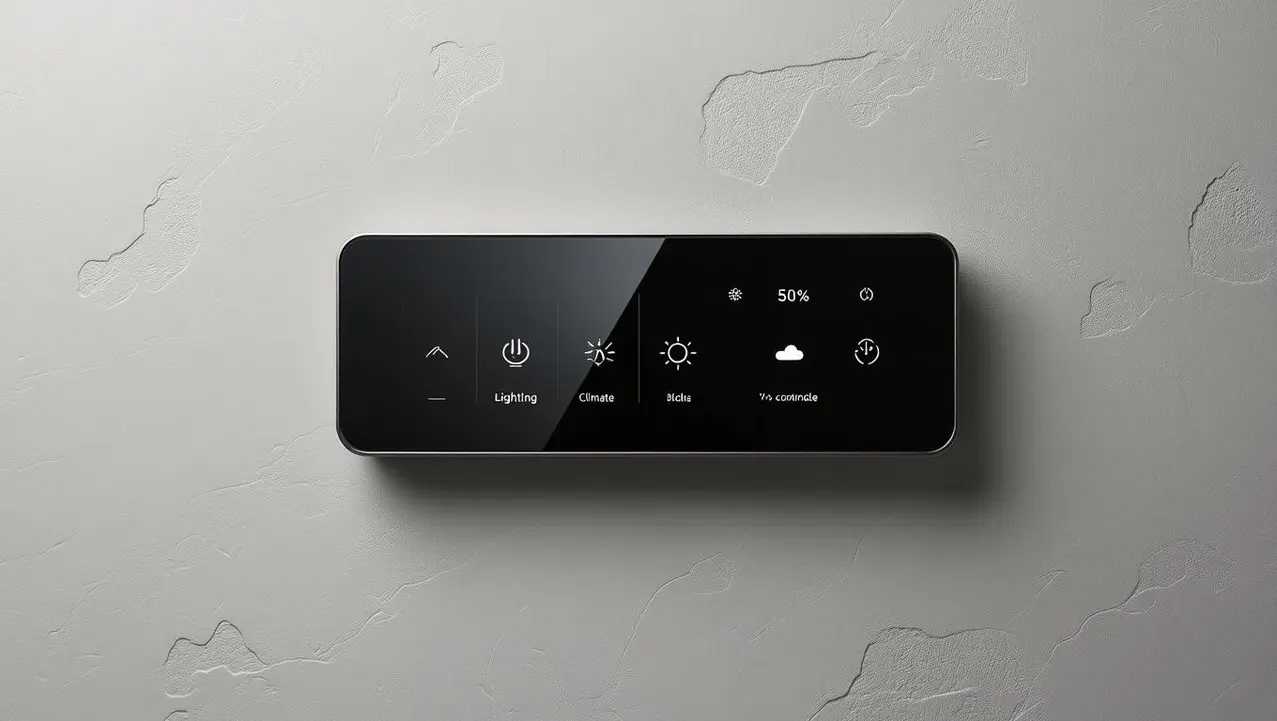
Distinguish between disparate systems cobbled together—a Sonos speaker here, a Philips Hue bulb there—and a truly integrated, high-end system like Crestron, Savant, or Control4 that unifies lighting, climate, security, and entertainment into one intuitive interface. Integrated systems allow you to control multiple functions through a single touch panel or app, creating scenes that adjust lighting, temperature, music, and window treatments simultaneously.
The reliability and user experience of these systems directly impacts the luxury rental experience. A system that requires constant rebooting, has confusing interfaces, or fails to operate as expected detracts significantly from the overall villa experience. Well-implemented automation should feel intuitive even to first-time users, with clear controls and reliable performance that enhances rather than complicates daily activities.
Red flags and deal-breakers: Common signs of poor workmanship
The small details that signal bigger problems
Professional property inspectors develop an eye for the small imperfections that often indicate systemic issues with construction quality or maintenance standards. These seemingly minor details can reveal whether a property was built with care and precision or rushed through with cost-cutting shortcuts.
Create your own inspection checklist focused on these revealing details:
- Misaligned light switches or power outlets that appear crooked or inconsistently positioned
- Uneven gaps around doors when closed, indicating poor hanging or settling issues
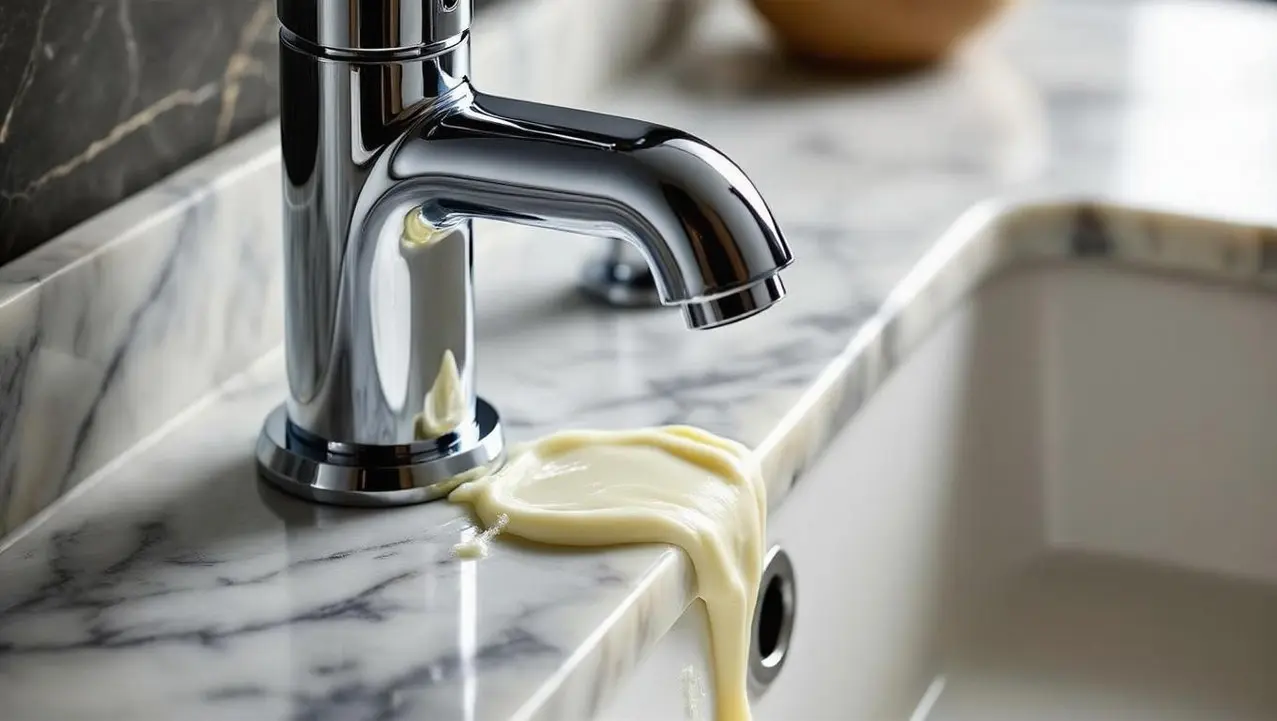
- Sloppy, uneven silicone caulking in bathrooms and kitchens with visible tool marks or gaps
- Creaking floors or stairs that suggest inadequate subflooring or loose fasteners
- Windows or sliding doors that don’t operate smoothly and silently
- Inconsistent paint edges where wall colors meet trim or ceilings
- Loose or poorly secured fixtures that wobble when touched
While these issues might seem minor individually, they often suggest a broader lack of care and precision during the entire construction or renovation process. Properties that show attention to these details typically maintain higher standards throughout.
When ‘new’ doesn’t mean ‘perfect’: Identifying builder-grade finishes
This is what developers hope you won’t notice during your property tour. ‘Builder-grade’ refers to the most basic, inexpensive materials and fixtures used to complete a construction project—the real estate equivalent of a chain restaurant’s pre-made ingredients masquerading as fresh cuisine.
Learn to identify these cost-cutting substitutes: hollow-core interior doors that sound tinny when knocked instead of solid wood doors with substantial weight; generic laminate countertops that mimic stone patterns but lack the depth and variation of natural materials; basic ceramic tiles with obviously repeating patterns; and flimsy, mass-produced lighting fixtures that feel lightweight and operate poorly.
The presence of builder-grade finishes in a property marketed as ‘luxury’ indicates that the price tag is based on location, size, or marketing rather than genuine quality and long-term value. Like a restaurant that charges premium prices for mediocre ingredients, these properties depend on buyers who don’t know how to evaluate true quality.
Key takeaways
- Judge with all your senses: True quality is not just visual. It’s the solid feel of a door handle, the silent operation of a sliding door, and the consistent texture of a well-plastered wall.
- Look for perfect lines: Master craftsmanship reveals itself in the details—seamless joints, consistent grout lines, and crisp paint edges.
- Differentiate patina from damage: High-end materials age gracefully with a rich patina, while low-quality materials simply show wear and tear.
- Test the ‘invisible’ infrastructure: The reliability of HVAC, plumbing, and smart home systems is a non-negotiable pillar of comfort and luxury.
- Small red flags can signal big problems: Minor flaws like misaligned switches or sloppy caulking often indicate a lack of quality and care throughout the entire build.
Frequently asked questions
How can you tell if a house is well-built?
You can tell if a house is well-built by inspecting the precision of its finishes, the quality of its materials, and the reliability of its core systems.
Go beyond the surface and check for details like consistent grout lines, seamless mitered joints in woodwork, solid and heavy hardware, and listen for the quiet operation of doors, drawers, and the HVAC system. These are hallmarks of quality construction that indicate attention to detail throughout the building process.
What are builder-grade finishes?
Builder-grade finishes are standard, mass-produced materials and fixtures selected for their low cost rather than for their quality, durability, or unique design.
Common examples include laminate countertops that mimic stone, hollow-core interior doors, basic ceramic tiles, and generic, inexpensive lighting fixtures and faucets. They represent the minimum acceptable standard for completing construction and are often found in properties where cost-cutting was prioritized over quality.
What is the difference between Crestron, Savant, and Control4?
Crestron, Savant, and Control4 are all premium home automation systems, but they primarily differ in their level of customization, user interface design, and typical project scale.
Crestron offers the highest degree of customization and power, making it suitable for complex, large-scale luxury estates. Savant is renowned for its sleek, user-friendly interface that integrates deeply with the Apple ecosystem. Control4 is a powerful and flexible premium system that is often considered a more accessible entry-point into fully integrated smart home living.
Recognizing maintained perfection
A truly luxurious villa is more than just a collection of expensive things; it is a symphony of deliberate choices, expert craftsmanship, and meticulous maintenance. The beauty lies not just in the initial design, but in the execution and the endurance of that execution over time. Like a perfectly aged wine or a master chef’s signature dish, luxury reveals itself through the accumulation of countless decisions made correctly, consistently, and with an uncompromising attention to detail.
This obsession with detail is the guiding principle behind the Forbes & Partners portfolio. We don’t just look at a villa; we inspect it with the same rigor you might find in a Michelin-starred kitchen, where every element must meet the highest standards. We ensure that the quality you see is the quality that exists, down to the last invisible detail, because we understand that true luxury is not about what impresses at first glance, but what satisfies upon the closest scrutiny.
Now, you have the framework to do the same. Look closer, demand perfection, and choose a property that isn’t just luxurious by design, but pristine in its reality. Because in the end, the difference between good and extraordinary lies not in the grand gestures, but in the perfect execution of every small detail.
Demand perfection. Explore our curated villas for rent that meet Forbes & Partners’ finish standards — or speak with a specialist for a quality-led shortlist.

Forbes & Partners Editorial Team
The Forbes & Partners Editorial Team specializes in creating expert-driven insights on luxury villas, property investment, and vacation rentals in Thailand. Each article blends the efficiency of AI-assisted writing with the precision and experience of human specialists in Thailand’s luxury real estate market, ensuring readers receive reliable, up-to-date, and high-value information to guide their next investment or stay.