- Main Article: The Emerald Heart of Phuket: A Luxury Traveler’s Guide to Khao Phra Thaeo’s Virgin Rainforest
- Related articles:
What is the main waterfall hiking trail in Khao Phra Thaeo National Park?
Quick Answer: The main hiking trail in Khao Phra Thaeo National Park is a jungle path that connects the Ton Sai and Bang Pae waterfalls. It is a popular half-day trek for active travelers, with a moderate difficulty level that is suitable for most beginners.
This guide provides everything you need to know for a successful hike between the waterfalls in Phuket's last virgin rainforest. Key takeaways include:
- The Main Trail: A detailed breakdown of the primary hiking trail that connects Ton Sai and Bang Pae waterfalls, including realistic difficulty ratings, distance, and estimated duration.
- Waterfall Comparison: Learn the difference between the easily accessible Ton Sai waterfall and the larger, more scenic Bang Pae waterfall to plan your route.
- Seasonal Advice: Discover the best time to go, balancing powerful waterfall flows in the rainy season against safer trail conditions in the dry season.
- Hiker's Checklist: Get a complete list of what to wear and what to pack for a safe and comfortable jungle trek in Phuket's tropical climate.

You step off Phuket’s sweated beaches—where the salt-thick air clings to your skin like a second soul—and suddenly, you’re breathing something entirely different. The jungle breathes with you here. Each inhalation carries the dark perfume of earth, decomposing leaves, and something primordial that your lungs recognize even if your mind can’t name it. This is Khao Phra Thaeo National Park, Phuket’s vital green lung, where the island’s last stretch of virgin rainforest offers refuge from the relentless parade of beach umbrellas and cocktail sellers.
This isn’t just another tourist trail. This is the real Phuket—the one that existed long before the first resort carved its concrete footprint into the coastline. Khao Phra Thaeo stands as the island’s emerald heart, a 22-square-kilometer sanctuary where ancient trees tower above waterfalls that have been cutting their paths through limestone for millennia. While online forums overflow with contradictory advice about trail difficulty and whether you need a guide, this article cuts through the confusion with tested, practical knowledge that will help you confidently explore these jungle paths.
This post focuses on the hike itself. For a complete overview of the park, including its history, conservation importance, and other attractions, be sure to read our full luxury traveler’s guide: The Emerald Heart of Phuket: A Luxury Traveler’s Guide to Khao Phra Thaeo’s Virgin Rainforest.

On this page: Beyond the beaches: discovering Phuket's untouched soul The significance of Phuket's last virgin rainforest Show more More than just a park: a living museum The feel of ancient nature: a sensory immersion A sanctuary for the discerning traveler The ethical heart of the jungle: the gibbon rehabilitation project Show more The story […]
A tale of two waterfalls: Ton Sai vs. Bang Pae
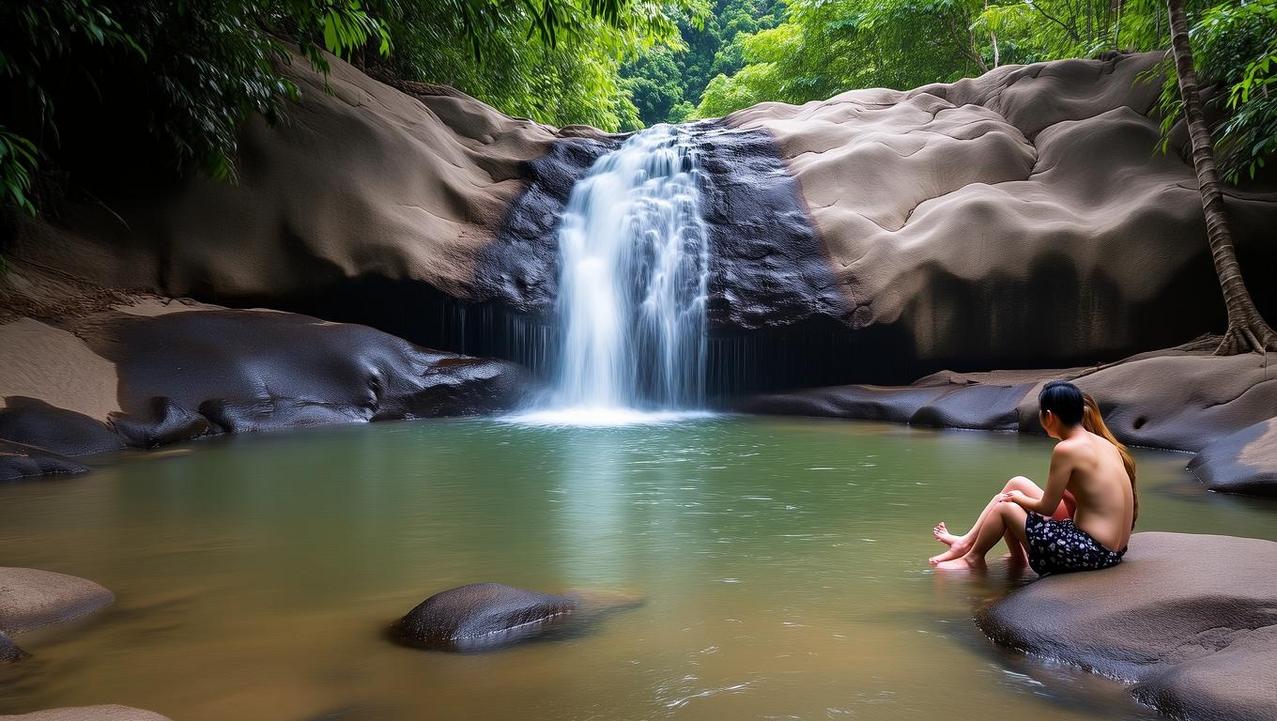
The park’s two waterfalls are like siblings with distinctly different personalities—each beautiful in its own right, but serving different purposes for different travelers. The eternal question that haunts every visitor isn’t just which one to visit, but which one deserves your limited time and energy. The truth is, you don’t have to choose—the magic lies in understanding how they complement each other.
Ton Sai: the accessible starting point
Ton Sai greets you like a gentle introduction to the jungle’s mysteries. This smaller waterfall sits closer to the main road, requiring only a modest walk through well-maintained paths that families with children can navigate comfortably. The cascade itself isn’t dramatic—perhaps 10 meters of water trickling over dark rocks into a calm pool—but its charm lies in its accessibility and the small nature center at the entrance that serves as your orientation to this protected ecosystem.
This is where nervous first-timers can test the waters, literally and figuratively. The pool at Ton Sai’s base invites a quick dip, though it’s more suitable for cooling your feet than serious swimming. The surrounding jungle presses close, offering glimpses of the larger adventure that awaits deeper in the park.
Bang Pae: the rewarding finish line
Bang Pae commands respect. At 15 meters tall and considerably wider than its smaller sibling, this waterfall announces itself with the thunderous sound of water meeting stone—a sound that reverberates through the jungle long before you catch your first glimpse of the cascade. The pool here is substantial, deep enough for a proper swim, and surrounded by smooth rocks perfect for that post-hike rest you’ll desperately need.
What makes Bang Pae special isn’t just its size, but its setting. The waterfall serves as the dramatic finale to your jungle journey, emerging from dense forest like a reward for your persistence. Near the entrance, you’ll find the Gibbon Rehabilitation Project, where rescued primates receive care and rehabilitation. The haunting calls of these remarkable creatures often provide the soundtrack to your waterfall experience, connecting you to the deeper conservation story of this protected space.
At a glance: which waterfall is right for you?
| Feature | Ton Sai Waterfall | Bang Pae Waterfall |
|---|---|---|
| Accessibility | Easier, requires short walk | Requires moderate hike |
| Scenery | Tranquil & lush | Larger & more dramatic |
| Swimming | Small pool | Large swimming area |
| Nearby Facilities | Nature center | Gibbon project/restaurant |
The main event: the waterfall trail breakdown
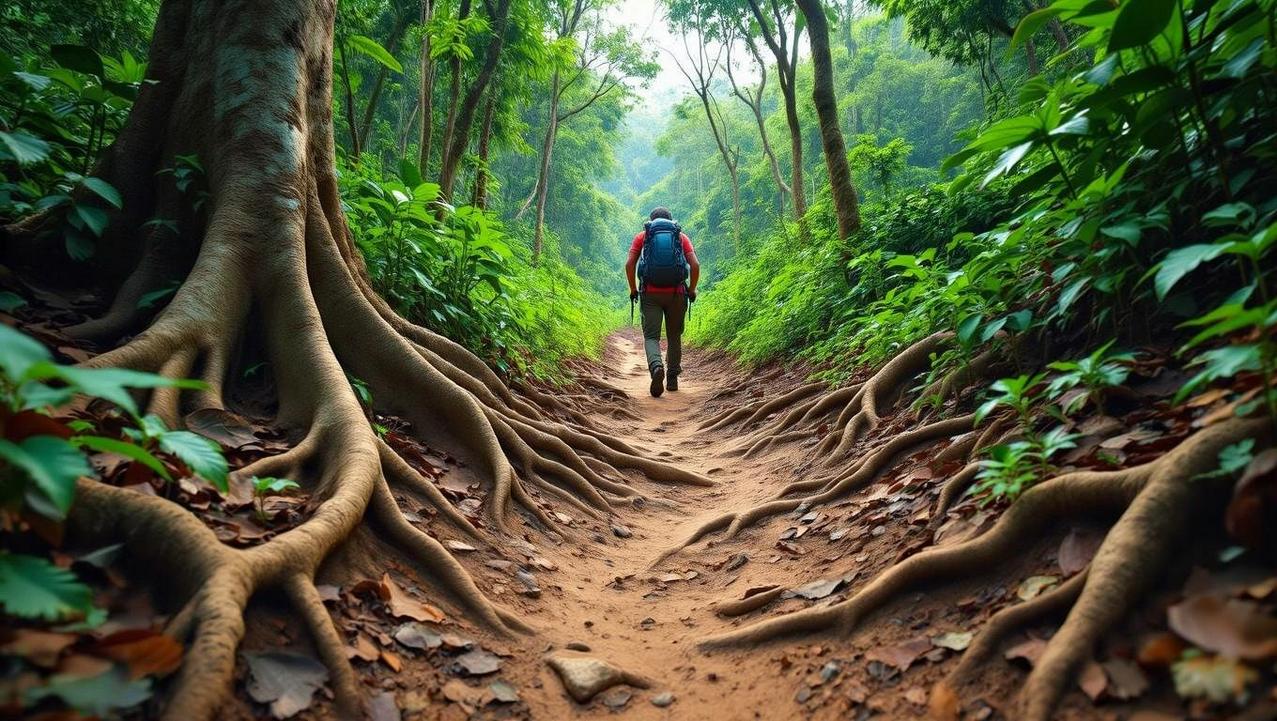
Forget the contradictory trip reports and conflicting advice scattered across travel forums. This is the definitive breakdown of what you’ll actually encounter on the trail connecting these two waterfalls—information tested by feet, not just keyboards.
Trail distance, difficulty, and time
Distance: Approximately 4-5 kilometers one way from Ton Sai to Bang Pae.
Time Estimate: Allow 2-3 hours for a comfortable pace with stops for photographs, water breaks, and moments of jungle contemplation.
Difficulty: Beginner-to-Intermediate. This means the path is clearly marked and maintained, but you’ll encounter uneven terrain, exposed tree roots that grab at ankles, slippery rocks, and modest inclines that will test your cardiovascular fitness. No technical hiking skills required, but you need to be comfortable on your feet and possess reasonable fitness levels.
The guide vs. go-it-alone debate solved
The trail is well-defined and can absolutely be completed without a guide by confident walkers willing to pay attention to trail markers. The path follows a logical route through the jungle, and getting truly lost requires genuine effort. However, a guide transforms the experience from a simple walk to an education in tropical ecology. Local guides can identify bird calls, point out medicinal plants, and share stories about the forest that no guidebook contains.
For those who value privacy and expertise, a private guide can transform the experience. Learn about crafting a seamless day in our guide to The Gilded Jungle: How to Plan an Exclusive Private Tour of Khao Phra Thaeo Park.

On this page: Beyond the standard tour: what 'exclusive' truly means in the rainforest Show more The illusion of 'private': decoding the difference between a booking and a bespoke creation The art of absence: curating for solitude and silence The advisor's touch: a sample itinerary for the discerning traveler Show more Morning: the seamless departure […]
The best way to hike the trail
Start at the Ton Sai waterfall entrance and hike towards Bang Pae. This isn’t arbitrary advice—it’s strategic. By saving the more impressive waterfall for the end, you create a natural crescendo to your jungle adventure. Ton Sai serves as your warm-up, allowing you to acclimate to jungle conditions while Bang Pae becomes your reward. More importantly, Bang Pae’s larger, deeper pool provides the perfect setting for a revitalizing swim after your exertion, making the return journey more pleasant.
The luxury hiker’s checklist: your essential field guide
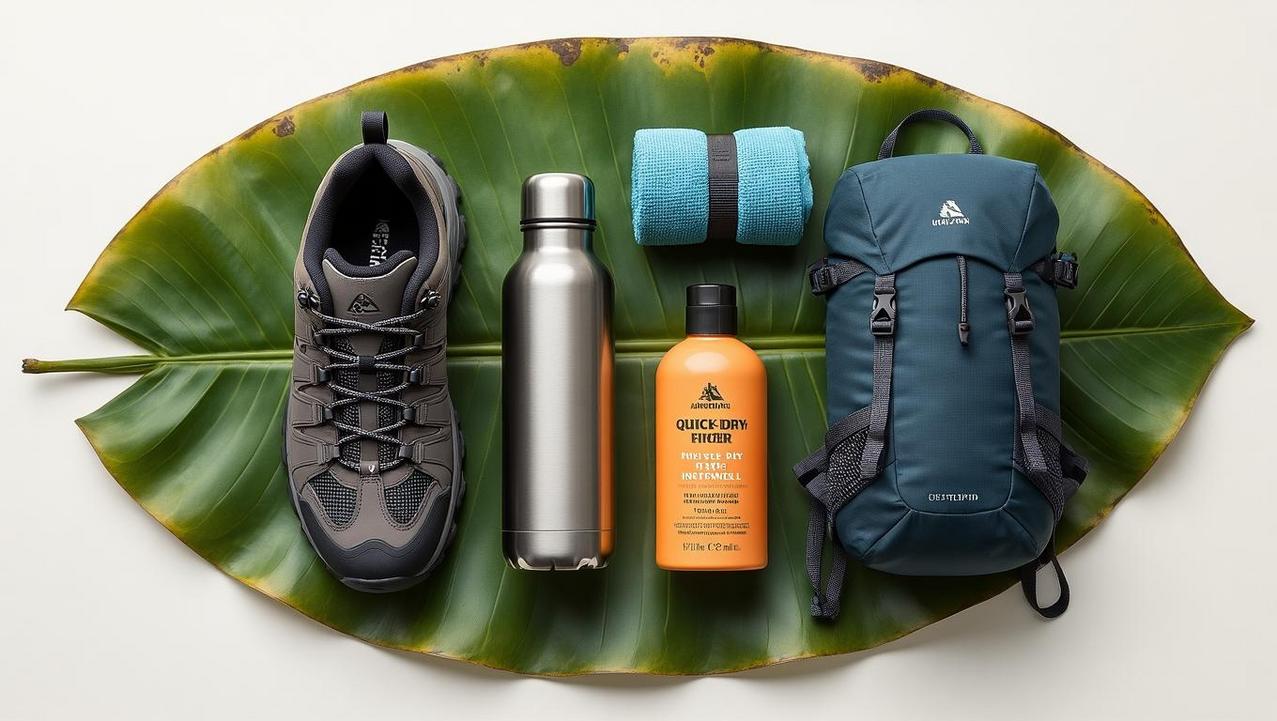
Moving beyond the basics, this section ensures your jungle adventure maintains the comfort and safety standards expected by discerning travelers. This isn’t about over-packing—it’s about intelligent preparation that enhances rather than burdens your experience.
What to wear for jungle trekking in Phuket
Footwear: Sturdy trainers with good grip or quality hiking sandals are sufficient. The terrain demands ankle support and traction, but technical hiking boots are overkill. Avoid flip-flops unless you enjoy the thrill of twisted ankles.
Clothing: Lightweight, moisture-wicking fabrics are non-negotiable in this humidity. Long sleeves and trousers offer protection from insects and scratching branches, but choose breathable materials. Cotton becomes a soggy burden; synthetic or merino wool fabrics perform far better.
Headwear: A hat protects against both sun exposure in clearings and falling debris in denser forest sections.
What to bring: from essentials to comforts
Essentials:
- Water (at least 1.5 liters per person)—dehydration happens faster than you think in tropical humidity
- Sunscreen for the exposed sections
- Strong insect repellent—the mosquitoes here are persistent
Luxury/Comforts:
- Electrolyte mix for your water to maintain proper hydration
- Waterproof bag for electronics and valuables
- Portable power bank for extended photography sessions
- Small quick-dry towel for post-swim comfort
- Quality snacks—energy bars or trail mix for sustained energy
Park logistics: fees, hours, and transport
The current entrance fee for foreign adults is typically 200 THB, though fees are subject to change and can be verified at the official Thai National Parks website. Bring cash—card payments aren’t consistently available.
Official park hours are 9:00 AM to 4:30 PM daily. This gives you a comfortable window, but starting earlier in the day means cooler temperatures and fewer crowds.
For transport, hire a private car and driver for maximum flexibility, especially if you’re doing the one-way hike. Taxi meters reset frequently, and having reliable return transport eliminates the stress of coordinating pickup times from the jungle.
When to go: a seasonal guide to trail conditions
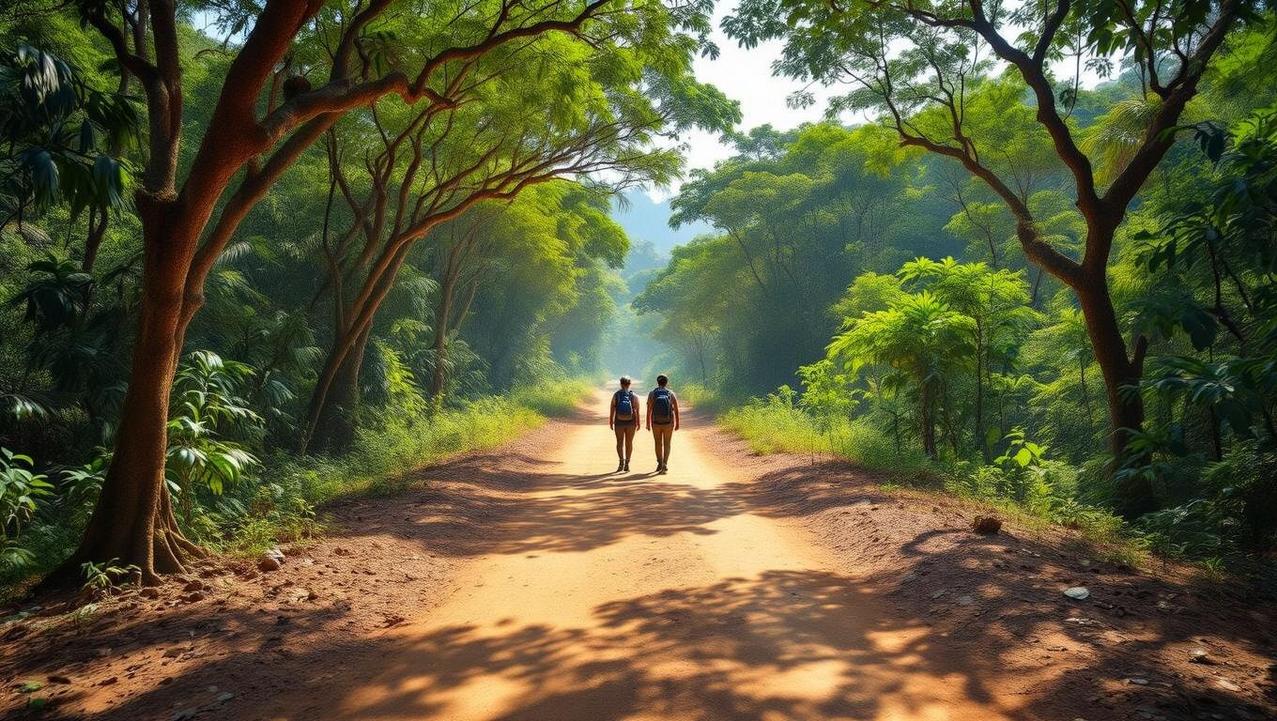
The eternal traveler’s dilemma: do you prioritize perfect hiking conditions or spectacular waterfalls? Thailand’s tropical climate forces this choice, but understanding the trade-offs helps you align your visit with your priorities.
Dry season (November – April): for the hiker
This is prime hiking season. Temperatures hover in the comfortable range, humidity drops to tolerable levels, and the trails remain well-maintained and dry. You’ll navigate roots and rocks with confidence rather than slip-sliding through mud. The jungle canopy filters sunlight into manageable dappled patterns, and the risk of sudden downpours diminishes dramatically.
The trade-off? The waterfalls operate at reduced capacity. Ton Sai might be little more than a trickle, while Bang Pae, though still impressive, lacks the thunderous power of rainy season. But the swimming pools remain refreshing, and the overall hiking experience reaches its peak during these months.
Rainy season (May – October): for the waterfall chaser
The jungle explodes into its most vibrant, lush incarnation during rainy season. Every shade of green intensifies, the air thrums with life, and the waterfalls reach their spectacular peak flow. Bang Pae becomes a proper cascade, sending mist clouds that cool the surrounding air and create perfect conditions for dramatic photography.
However, the trail transforms into a more challenging beast. Mud makes every step treacherous, roots become slippery hazards, and leeches emerge from their hiding places with disturbing enthusiasm. The smart approach requires proper footwear with aggressive tread, extra caution on steep sections, and acceptance that you’ll emerge considerably muddier than you entered.
Frequently asked questions about hiking in Khao Phra Thaeo
What is the biggest waterfall in Phuket?
Bang Pae waterfall, located within Khao Phra Thaeo National Park, is the largest waterfall in Phuket. At 15 meters tall with a substantial pool for swimming, it significantly outscales any other waterfall on the island.
How much is the entrance to Khao Phra Thaeo?
The entrance fee for foreign adults is typically 200 THB, but this can change. Always check the official park website for current pricing and have cash ready for payment.
What animals are in Khao Phra Thaeo National Park?
The park serves as a wildlife sanctuary for species including mouse-deer, langurs, wild boar, and various bird species. Most famously, rescued gibbons live here under the care of the Gibbon Rehabilitation Project. Their haunting calls often echo through the forest, creating an unforgettable soundtrack to your hike.
Is it safe to hike a mountain trail in Phuket?
Yes, the well-marked trails in Khao Phra Thaeo are generally very safe for properly prepared hikers. The main risks involve dehydration, getting caught in sudden rain, or minor injuries from slips on wet surfaces. Stick to marked trails, carry adequate water, and hike during daylight hours for the safest experience.
The perfect natural reset from the beach
The Khao Phra Thaeo waterfall hike offers something increasingly rare in modern Phuket: authenticity. This isn’t a manufactured experience designed for Instagram posts—it’s a genuine encounter with the island’s natural heritage. The trail connects you to the Phuket that existed before tourism, where ancient trees and pristine waterfalls created their own rhythm, far from the mechanical pulse of beach resorts.
With this guide, you possess the practical knowledge needed to confidently plan your jungle adventure. You understand the trail’s true difficulty, know what to pack for comfort and safety, and can choose the optimal timing for your priorities. Most importantly, you’re prepared to experience one of Phuket’s most rewarding adventures with the confidence that comes from proper preparation.
Similar to how Koh Samui offers pristine beaches and luxury villa accommodations for those seeking tropical elegance, Phuket’s jungle trails provide the perfect counterpoint to beach lounging—a chance to reconnect with nature’s raw power and beauty.
After a rewarding day on the trails, retreat to the ultimate comfort. A private infinity pool and unparalleled luxury await. Discover our collection of luxury villas in Phuket, perfectly positioned for exploring all the island’s natural wonders.

Forbes & Partners Editorial Team
The Forbes & Partners Editorial Team specializes in creating expert-driven insights on luxury villas, property investment, and vacation rentals in Thailand. Each article blends the efficiency of AI-assisted writing with the precision and experience of human specialists in Thailand’s luxury real estate market, ensuring readers receive reliable, up-to-date, and high-value information to guide their next investment or stay.