- Main Article: Kathu Waterfall Phuket: The Ultimate 2025 Guide to Hiking, Swimming & Safety (current article)
- Related articles:
What is the best time to visit Kathu Waterfall?
Quick Answer: The best time to visit Kathu Waterfall for a powerful, thundering cascade is during Phuket's rainy season from June to October. For a more tranquil walk with calmer wading pools and fewer crowds, visit during the dry season from November to May.
Here are the essential things to know before visiting Kathu Waterfall in Phuket:
- When to Go: The experience is highly seasonal. Visit during the rainy season (June-October) for a powerful waterfall, or the dry season (November-May) for a peaceful walk with gentle trickles.
- Cost and Hours: As of 2025, entrance is completely free. The best time to visit is between 8 AM and 6 PM.
- Swimming: You cannot truly swim. The waterfall has shallow 'drop pools' that are perfect for sitting and cooling off, but not deep enough for swimming laps.
- Hiking: There are two main paths. Most visitors take the family-friendly stone staircase alongside the cascades. A separate, more rugged jungle trail exists for adventurous hikers.
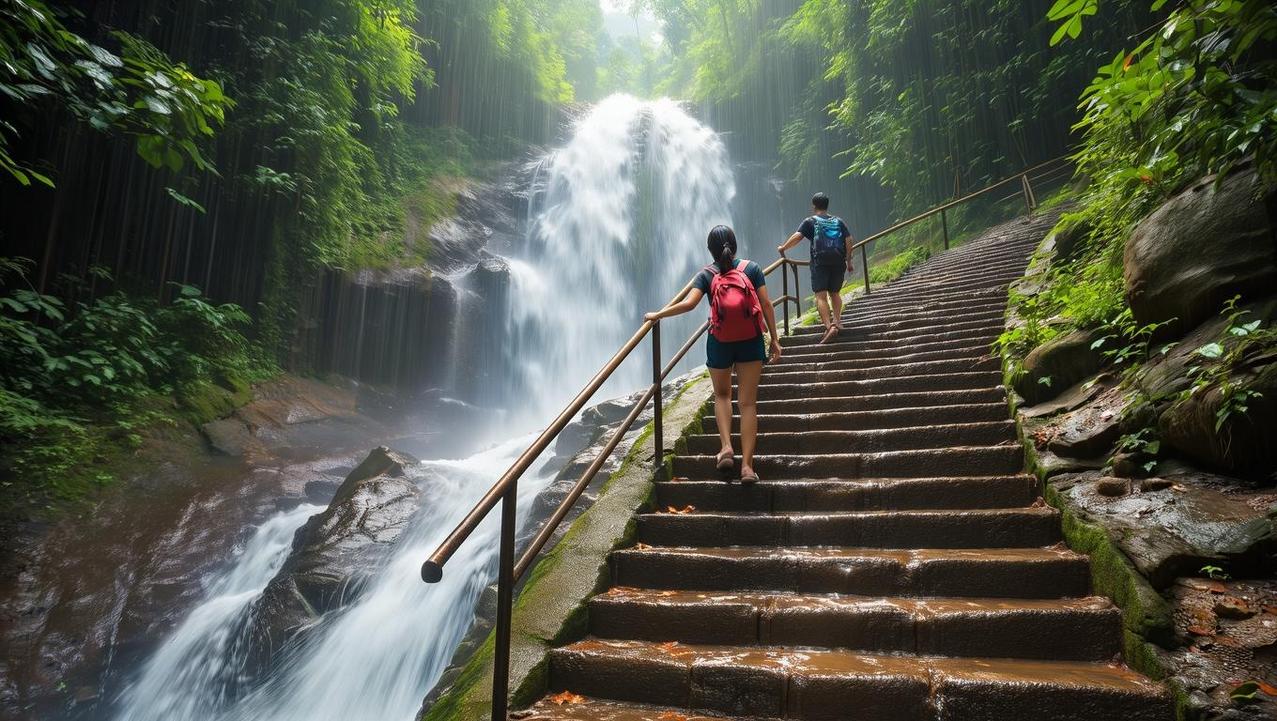
- Safety: The stone steps are notoriously slippery, especially when wet. It is critical to wear sturdy shoes with good grip (not flip-flops) and use the handrails.

Discovering Phuket’s most accessible jungle oasis
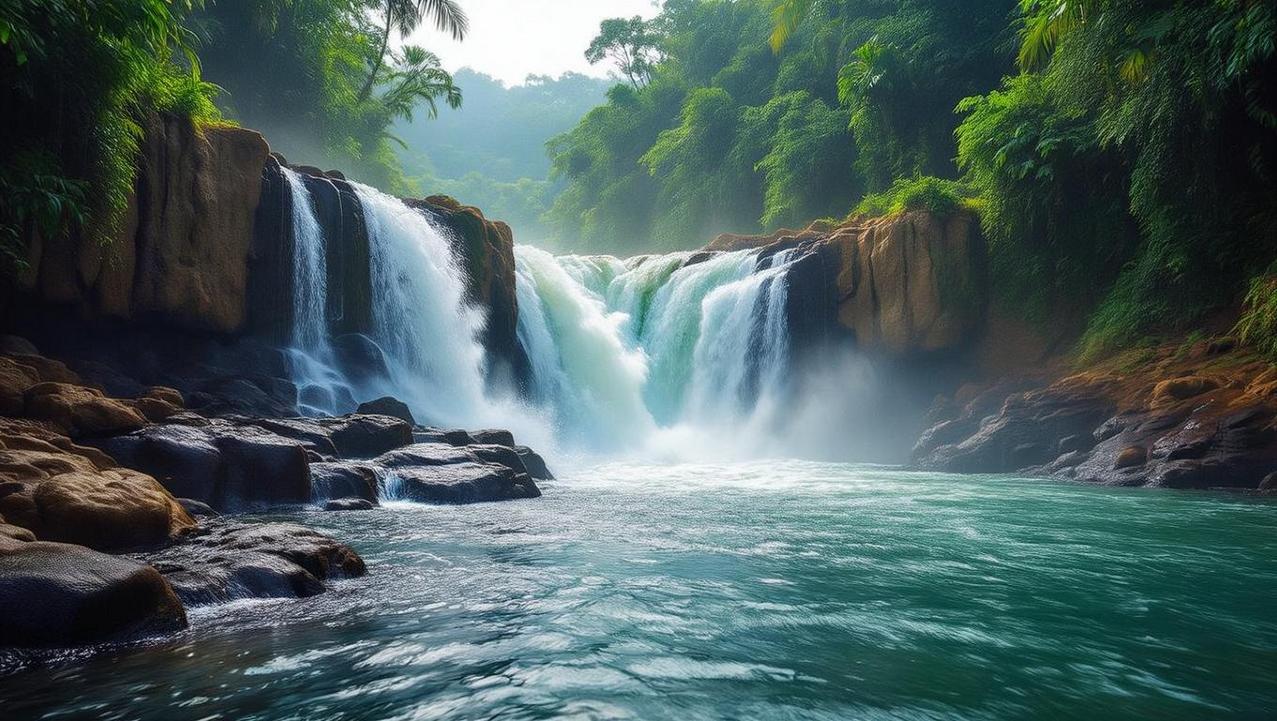
There’s something primal about the moment you step away from Phuket’s pulsing beach strips and surrender to the pull of the jungle. The humidity hits you differently here—not the salt-laden air of the ocean, but a thick, earthy embrace that carries the promise of water cascading over stone. The first whispers of the Kathu Waterfall reach your ears long before you see it: a subtle symphony of rushing water, rustling leaves, and the distant calls of tropical birds that haven’t yet learned to fear the parade of flip-flopped tourists stumbling up moss-slicked steps.
Kathu Waterfall stands as Phuket’s most accessible natural retreat, yet it remains frustratingly misunderstood. Online, you’ll find contradictory reviews ranging from rapturous praise to bitter disappointment, depending on when visitors arrived and what they expected to find. Some describe thundering cascades worthy of a National Geographic cover; others grumble about glorified puddles and treacherous paths. The truth, as it often does, lies somewhere in between—in the details that separate a magical encounter from a soggy disappointment.
Drawing on our local concierge team’s on-the-ground experience, this guide serves as your definitive resource for navigating the realities of Kathu Waterfall. We’ve walked these trails in both monsoon downpours and scorching dry spells, witnessed the transformation of these falls through seasons, and guided countless guests through the essential preparations that separate confident adventurers from casualties of poor planning.
This comprehensive guide will illuminate the crucial seasonality that makes or breaks your experience, decode the two distinct trail systems that confuse most visitors, provide a realistic assessment of the swimming opportunities, and arm you with the safety knowledge that could prevent a hospital visit. Whether you’re seeking a peaceful jungle stroll or an authentic waterfall encounter, understanding these nuances will transform your visit from a gamble into a guarantee.
The golden rule: When to visit Kathu waterfall (and when to reconsider)
The single greatest predictor of your satisfaction at Kathu Waterfall isn’t your fitness level, your photography skills, or your sense of adventure—it’s your arrival date. This seasonal reality directly addresses the most common source of visitor disappointment: expectations misaligned with nature’s calendar.
The rainy season (June – October): A lush and powerful cascade
During Phuket’s monsoon months, Kathu Waterfall awakens from its slumber with the force of accumulated rainfall transforming it into the thundering spectacle that graces countless Instagram feeds. The water arrives in powerful sheets, carving its way down the seven-tier cascade with enough force to generate a fine mist that cools the surrounding jungle and creates those ethereal photographic moments that make strangers back home jealous.
This is when the surrounding vegetation explodes into the vivid greens that define tropical paradise—every fern unfurls with renewed vigor, every moss-covered boulder gleams with fresh water, and the sound of rushing water drowns out the distant hum of motorbikes from the roads below. For photographers and those seeking the quintessential waterfall experience, these months deliver in abundance.
However, this impressive flow comes with its own challenges. The increased water volume means the stone steps become rivers themselves, requiring significantly more caution and proper footwear. The humidity reaches near-suffocating levels, and sudden downpours can transform a pleasant hike into a slippery obstacle course within minutes.
The dry season (November – May): Managing expectations for a tranquil walk
Honesty compels us to acknowledge what many guides gloss over: during the dry season, Kathu Waterfall often resembles its name in theory more than practice. The rushing cascade diminishes to a series of gentle trickles feeding calm, reflective pools. What you lose in dramatic water flow, however, you gain in accessibility and tranquility.
These months offer a entirely different but equally valid experience—a peaceful jungle walk where you can actually hear yourself think, where the pools invite contemplative wading rather than hurried photography, and where the absence of crowds allows for genuine moments of solitude. The reduced water flow reveals the intricate rock formations usually hidden behind curtains of water, and the cooler, less humid conditions make the climb considerably more comfortable.
What to Expect: Rainy vs. Dry Season
| Feature | Rainy Season (Jun-Oct) | Dry Season (Nov-May) |
|---|---|---|
| Water Flow | High to Thunderous | Low to Moderate Trickle |
| Trail Condition | Wet, Slippery | Dry, Stable |
| Best For | Dramatic Photos, Full Experience | Peaceful Walks, Easy Access |
| Crowd Level | Moderate to High | Lower |
| Swimming | Refreshing Spray, Shallow Pools | Calm Wading Pools |
Our expert advice on timing your visit
The optimal window combines seasonal advantages with strategic timing. If you’re visiting during rainy season, aim for the morning after a night of rain—you’ll capture the falls at their most powerful while avoiding the afternoon downpours that can make the descent treacherous. For dry season visitors, embrace the early morning hours when the pools reflect the filtered jungle light and before the midday heat becomes oppressive.
Weekday mornings consistently offer the best experience regardless of season, as weekend crowds can transform the narrow trail into a bottleneck of frustrated families and selfie-taking couples. Before committing to the journey, particularly during the transitional months of May and December, check recent visitor reviews or consult local weather patterns—the difference between the tail end of dry season and the first substantial rains can dramatically alter your experience.
How to get there & essential visitor information for 2025
The practicalities of reaching Kathu Waterfall reflect its appeal as an accessible escape—close enough to Phuket’s main tourist areas to warrant a spontaneous visit, yet far enough into the island’s interior to feel like a genuine departure from the beach scene.
Location and getting here
Kathu Waterfall sits nestled in the district that shares its name, strategically positioned to serve as a convenient natural interlude for visitors staying across Phuket’s western coast. From the bustling streets of Patong, the journey takes approximately 20 minutes by car or motorbike, following the well-signed route inland through increasingly lush terrain. Visitors based in Karon or Kamala will find themselves even closer, with journey times rarely exceeding 25 minutes.
The most popular transportation method involves renting a scooter—an authentic Thai experience that allows you to stop for fresh fruit from roadside vendors or explore the adjacent Kathu district’s local restaurants. For those preferring four wheels, rental cars navigate the route easily, while ride-hailing services like Grab provide a hassle-free alternative, though you’ll want to arrange return transportation as finding a ride back can prove challenging during off-peak hours.
Parking, hours, and the best news: It’s free
In an era where Thailand’s natural attractions increasingly impose entrance fees, Kathu Waterfall remains refreshingly accessible—completely free as of 2025. This democratization of nature means families can explore without budget constraints, though it also contributes to the site’s popularity during peak periods.
The parking area at the base accommodates both cars and motorbikes, with informal attendants often directing traffic during busy periods. While technically open from sunrise to sunset, the generally accepted visiting hours run from approximately 8 AM to 6 PM, when natural light provides both safety and optimal photography conditions.
For the most current information regarding access and any temporary closures, visitors should consult the official Kathu Waterfall information from the Tourism Authority of Thailand, particularly during monsoon season when heavy rains occasionally necessitate temporary trail closures for safety reasons.
The hiking experience debunked: Two trails, two adventures
The confusion surrounding Kathu Waterfall’s hiking options stems from a fundamental misunderstanding perpetuated by incomplete online information. Rather than a single trail with variable difficulty, Kathu offers two distinctly different experiences that cater to entirely different audiences and expectations.
The main path: A family-friendly staircase walk
The trail most visitors experience—and the one most guides describe—consists of a well-defined series of stone steps ascending alongside the waterfall’s seven tiers. This engineered pathway, while uneven and occasionally challenging, remains accessible to families with children and individuals with average fitness levels.
The journey unfolds as a series of revelations, with each tier offering its own character and charm. The lower levels feature wider, more stable platforms perfect for photography and brief rest stops, while the upper reaches narrow into more intimate viewing areas where the sound of cascading water drowns out conversation. Throughout the ascent, strategically placed viewing points provide opportunities to appreciate both the immediate cascade and the broader jungle canopy stretching toward Phuket’s interior mountains.
The total elevation gain remains modest—approximately 100 meters over the course of 500 meters of walking—making it achievable for most visitors while still providing a sense of accomplishment. The entire round trip, including time for photography and pool exploration, typically requires 45 minutes to an hour and a half, depending on group size and ambition.
The jungle trek: For the more adventurous hiker
Beyond the main waterfall area, a separate and more challenging jungle trail begins, offering a completely different adventure for those equipped with proper footwear and a tolerance for uncertainty. This secondary path winds deeper into Phuket’s interior, following natural trails that can become muddy, overgrown, and poorly marked depending on recent maintenance and weather conditions.
This more rugged option attracts serious hikers seeking to explore beyond the crowds and discover the broader ecosystem that sustains the waterfall. The trail offers glimpses of Phuket’s original forest canopy, opportunities to spot endemic bird species, and a more authentic jungle trekking experience that few tourists ever encounter.
For detailed navigation and preparation advice for this more challenging route, consult the detailed hiking trail map on AllTrails, which provides GPS coordinates, elevation profiles, and recent user reports on trail conditions.
For a complete breakdown of this challenging route, including maps and preparation advice, see our dedicated Hiker’s Guide to the Kathu Waterfall Jungle Trails.

On this page: First, know your path: a trail for every trekker Show more The main path: a quick recap for context The jungle loop: the real Kathu waterfall hike The Kalim viewpoint trek: the ultimate challenge The anatomy of the jungle loop: a step-by-step trail guide Show more The trailhead and initial ascent Navigating […]
A realistic guide to ‘swimming’ and our non-negotiable safety guide
The disconnect between expectation and reality reaches its peak when discussing swimming opportunities at Kathu Waterfall. Understanding what these pools actually offer—and the critical safety considerations that could prevent injury—represents perhaps the most important information in this entire guide.
What are the ‘drop pools’ really like?
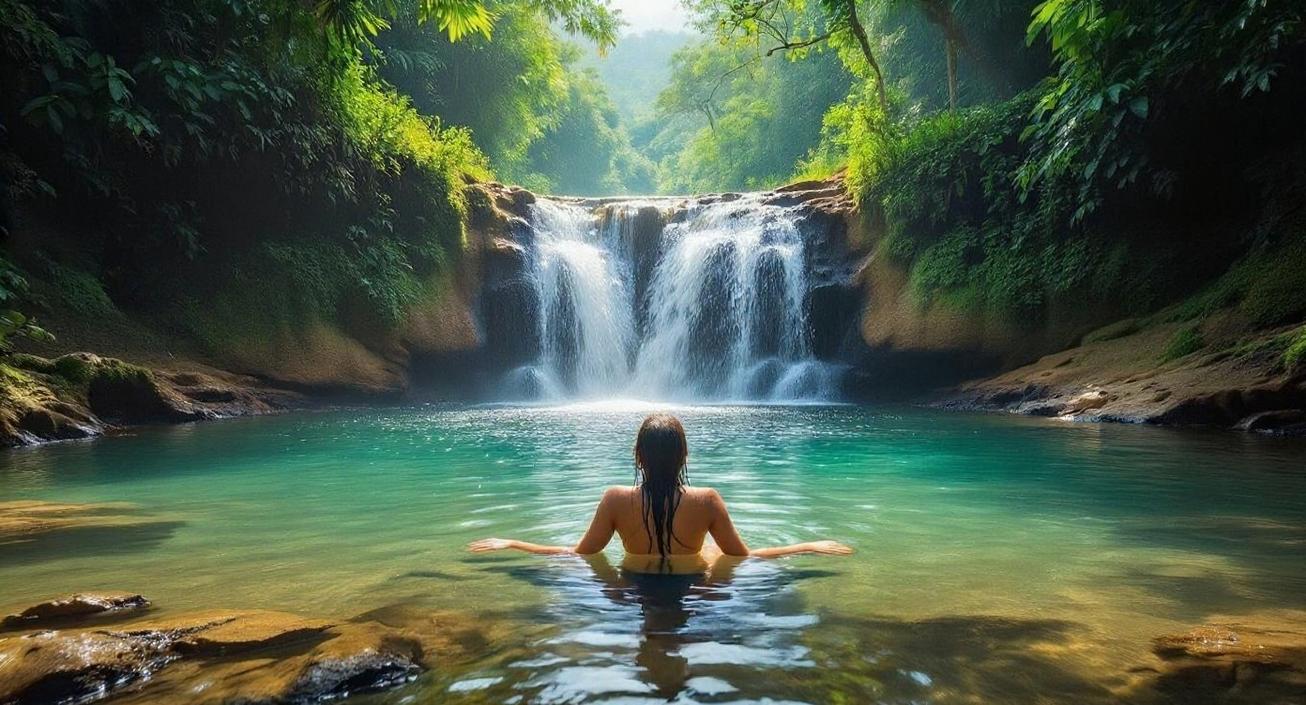
The term “swimming” requires significant qualification when applied to Kathu Waterfall’s pools. These natural basins, carved by years of water erosion into the underlying rock, range from ankle-deep puddles to waist-deep pools suitable for sitting and cooling off, but rarely offer the depth required for actual swimming strokes.
The most substantial pools, located at the lower tiers, provide delightful opportunities for wading, sitting meditation, and cooling overheated bodies, but visitors expecting to dive and swim laps will find themselves disappointed. Think of these pools as nature’s hot tubs—places for relaxation and refreshment rather than aquatic exercise.
The water temperature remains refreshingly cool year-round, offering genuine relief from Phuket’s tropical heat. During rainy season, the constant water flow maintains cleanliness, while dry season pools, though smaller, often achieve an almost mirror-like clarity that reflects the surrounding jungle canopy in stunning detail.
Trusted local guides, like those featured on Phuket101, consistently emphasize this distinction between expectation and reality, helping visitors appreciate the pools for what they are rather than feeling disappointed by what they’re not.
Staying safe: How to handle the notoriously slippery steps
Safety at Kathu Waterfall isn’t optional—it’s absolutely critical. Our local team has witnessed countless visitors underestimate the treacherous nature of wet stone steps, leading to bruised bodies, twisted ankles, and ruined vacations that could have been easily prevented with proper preparation and respect for the environment.
Essential Safety Checklist:
- Footwear: Invest in sturdy water shoes, hiking sandals with aggressive tread, or athletic shoes with proven grip. Smooth-soled flip-flops are not just inadvisable—they’re genuinely dangerous on these surfaces.
- Movement: Treat every step as potentially slippery. Use the installed handrails religiously, maintain three points of contact when possible, and never rush the descent when tired legs become unreliable.
- Timing: Avoid visiting during active rainfall or in the hours immediately following heavy downpours when the steps transform into water slides. Check weather forecasts and be prepared to postpone if conditions deteriorate.
- Insect Protection: The humid jungle environment sustains healthy populations of mosquitoes and other biting insects. Apply repellent before beginning your hike and reapply as needed.
- Hydration: Despite the presence of water, dehydration remains a real risk in Phuket’s heat and humidity. Carry more water than you think you’ll need.
Planning a visit with little ones? We’ve compiled a complete checklist and child-specific advice in our Is Kathu Waterfall Safe? A 2025 Family-Friendly Guide.

On this page: A parent's guide to the path: navigating the waterfall terrain with kids Show more Taming the slippery steps: footwear and techniques The stroller question: realities and alternatives Decoding the drop pools: a tier-by-tier safety guide for swimming Show more The family-friendly zone: the safest pools for toddlers and young children Areas for […]
Phuket waterfall showdown: How Kathu compares to Bang Pae & Ton Sai
Choosing between Phuket’s waterfalls requires understanding that each offers fundamentally different experiences. Rather than competing attractions, they represent variations on the theme of tropical water features, each with distinct advantages and limitations.
Which Phuket waterfall is right for you?
Phuket Waterfall Comparison
| Feature | Kathu Waterfall | Bang Pae Waterfall | Ton Sai Waterfall |
|---|---|---|---|
| Entrance Fee | Free | ~200 THB (National Park) | ~200 THB (National Park) |
| Hiking Difficulty | Easy-to-Moderate Stairs | Longer, Flatter Jungle Walk | Shaded, Rugged Trail |
| Swimming Opportunities | Shallow pools for wading | Larger pool for proper swimming | Limited swimming |
| Best For | Families, quick & free trip | A ‘real’ waterfall swim, nature lovers | Serious hikers, wildlife spotting |
| Crowds | Moderate to High | Moderate | Low |
| Accessibility | High | Moderate | Low |
The verdict from our experts
Kathu emerges as the superior choice for visitors seeking the perfect balance of accessibility, value, and genuine waterfall experience. Its free admission removes financial barriers while its proximity to major resort areas makes it ideal for spontaneous adventures or half-day excursions that leave time for other activities.
Bang Pae Waterfall claims the crown for visitors prioritizing swimming opportunities and those willing to pay for a more substantial aquatic experience within a national park setting. The investment in admission fees translates into better-maintained facilities and larger, deeper pools that accommodate actual swimming.
Ton Sai Waterfall attracts serious hikers and wildlife enthusiasts seeking a more challenging and secluded experience. The rugged trail and limited facilities filter out casual visitors, creating opportunities for genuine wildlife encounters and more intimate nature experiences.
For a full breakdown of the island’s top waterfalls to find your perfect match, read our complete Phuket Waterfall Showdown: Kathu vs. Bang Pae vs. Ton Sai.

On this page: Meet the contenders: a snapshot of each waterfall Show more Kathu waterfall: the champion of convenience Bang pae waterfall: the most impressive cascade Ton sai waterfall: the hiker's paradise The ultimate phuket waterfall comparison table Choosing your adventure: the best waterfall by activity Show more For families and easy access: kathu and […]
Frequently asked questions about Kathu waterfall
Can you swim in Kathu Waterfall?
No, you cannot swim in a traditional sense. The waterfall has several small, shallow pools that are perfect for sitting in to cool off, but they are not deep enough for swimming.
Is Kathu Waterfall free?
Yes, as of early 2025, Kathu Waterfall is completely free to enter. There is no entrance fee, making it one of Phuket’s best value natural attractions.
What is the best time to visit Kathu Waterfall?
The best time to visit is during Phuket’s rainy season, from June to October, when the water flow is at its most powerful and the jungle is at its most lush.
Is Kathu Waterfall good for families?
Yes, the main staircase path at Kathu Waterfall is very suitable for families with children, but adults must exercise extreme caution as the steps can be very slippery, especially when wet.
What is the most beautiful waterfall in Phuket?
While beauty is subjective, Bang Pae Waterfall is often considered the most impressive due to its size and swimming opportunities, though Kathu Waterfall is loved for its accessibility and multi-tiered cascades.
Why Kathu waterfall is the perfect half-day escape
In a destination where natural beauty often comes with crowds, entrance fees, and complicated logistics, Kathu Waterfall stands as a democratic wonder—accessible to all, free to explore, and rewarding to those who approach it with appropriate expectations and preparation. This accessible jungle oasis offers something increasingly rare in modern travel: a genuine escape that doesn’t require extensive planning, significant investment, or athletic prowess.
The key to a rewarding Kathu experience lies in understanding its seasonal personality and respecting its natural hazards. Arrive during rainy season expecting power and drama, or embrace dry season’s tranquil contemplation. Either approach, when properly timed and safely executed, delivers a memorable encounter with Phuket’s natural heritage.
Whether you’re exploring the jungle oases of Phuket or the breathtaking beachfront villas of Koh Samui, Thailand’s natural beauty consistently exceeds expectations when approached with knowledge and respect. The country’s ability to combine accessible adventure with luxury comfort makes it an unparalleled destination for those seeking both excitement and relaxation.
After a day of jungle adventure, return to ultimate comfort. Discover our exclusive portfolio of luxury villas in Phuket, the perfect base for all your island explorations.

Forbes & Partners Editorial Team
The Forbes & Partners Editorial Team specializes in creating expert-driven insights on luxury villas, property investment, and vacation rentals in Thailand. Each article blends the efficiency of AI-assisted writing with the precision and experience of human specialists in Thailand’s luxury real estate market, ensuring readers receive reliable, up-to-date, and high-value information to guide their next investment or stay.